
Bountiful Clinton

cropped-ELEVATE-WELLNESS-CHIRO-LOGO

Elevate Wellness Chiropractic

Bountiful(801) 214-0454 Clinton(385) 417-3900 Schedule Appointment
  • Chiropractic
    • Auto Accidents
    • Back Specialist
    • Pediatric Chiropractor
    • Pregnancy Chiropractor
    • Spinal Decompression
    • Sports Therapy
  • Massage
  • Injuries We Treat
    • Auto Injuries
    • Back Pain
    • Headache
    • Migraine
    • Neck Pain
    • Neuropathy
    • Sciatica
    • Spinal Disc Injuries
    • Sports Injuries
    • Tension Headaches
    • Whiplash
    • Workplace Injury
  • About Us
    • Our Chiropractors
      • Casey Simmonds DC
      • Kaden Simmonds DC
      • Mikayla Twarog DC
    • Insurances Covered
    • New Patient Forms
    • Schedule Online Appointments
    • Blog
  • Contact Us
    • Bountiful Location
    • Clinton Location

Home | Archives for Casey Simmonds
hip misalignment

Your hips play an important role in supporting your spine, legs, and overall posture. When they’re properly aligned, your body moves efficiently and comfortably. But when they’re out of alignment, even slightly, it can lead to problems in other parts of your body and affect your overall mobility, leading to pain and even injuries. 

So how can you tell if you have hip misalignment? Let’s take a closer look at the signs, causes, and what you can do about it. 

Signs Your Hips May Be Out of Alignment

Pain and Discomfort 

Hip Pain — You might experience pain in your hip joint, groin area, or even radiating down your leg. 

Lower Back Pain — Misaligned hips can strain the lower back, causing chronic or recurring lower back pain. 

Pain in Other Areas — Pain can also radiate down to the knees, ankles, or feet, or up to the neck or shoulders. 

Pain During or After Activity — You might notice pain during or after exercise or after prolonged standing or sitting. Some people may also experience aches or pain in their lower back or hips when lying down. 

Posture and Gait 

Uneven Leg Lengths — One leg may feel shorter than the other when walking or standing, often due to tilted hips. 

Uneven Shoulders or Hips — You may notice one hip sits higher than the other when standing, or your shoulders tilt to one side.

Improper Gait — You might walk with a limp or have an uneven or unbalanced gait.  

Difficulty with Posture — You might slouch, have rounded shoulders, or experience a forward head tilt. 

Other Potential Signs

Limited Range of Motion — You may find it difficult to rotate your hips, squat, or bend down without discomfort. 

Snapping, Clicking, or Popping — You might hear or feel these sounds in your hip joint. 

Sciatica — Misaligned hips can sometimes compress the sciatic nerve, leading to pain that radiates down the leg. 

Common Causes of Hip Misalignment

Structural Abnormalities 

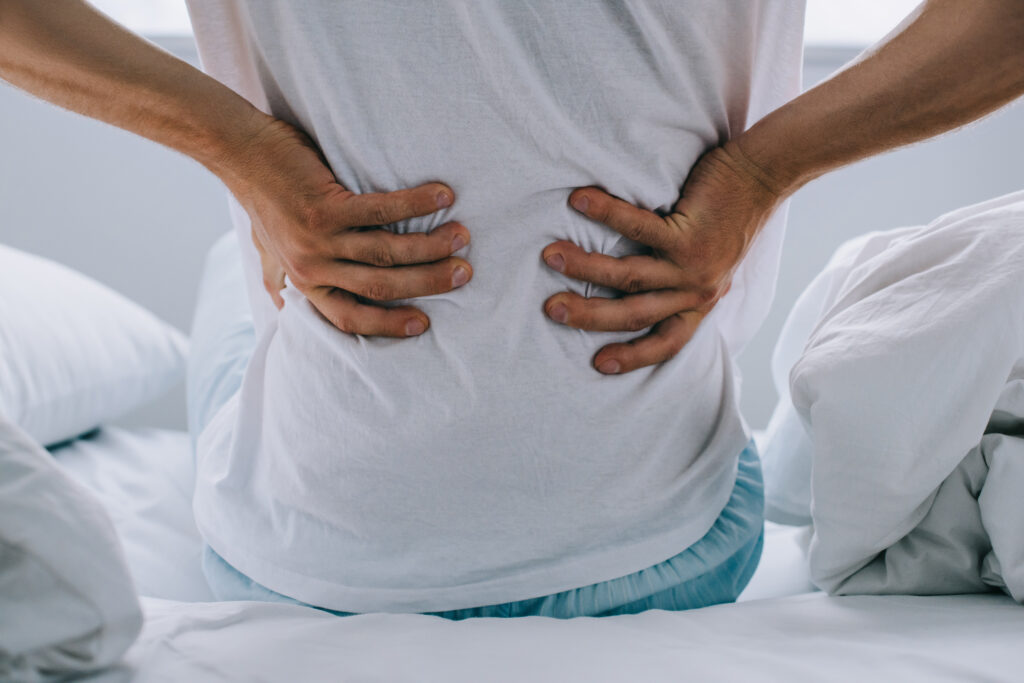
Elevate Wellness Chiropractic Lower Back Pain Bountiful UT

Congenital Conditions — Conditions like hip dysplasia can affect the development of the hip joint, leading to misalignment. 

Scoliosis — An abnormal “S” or “C” curve in the spine can pull the hips out of alignment. 

Muscle Imbalances 

Weak or Tight Muscles – Imbalances between muscles around the hips and pelvis can cause the pelvis to tilt and misalign. 

Poor Posture — Slouching, leaning, or excessive anterior pelvic tilt can also strain muscles and contribute to hip misalignment. 

Posture and Habits 

Prolonged Sitting — Sitting for long periods can weaken glutes and tighten hip flexors, increasing the risk of misalignment. 

Poor Sitting Posture — Slouching or leaning to one side while sitting can strain the hips and pelvis. 

Uneven Weight Distribution — Carrying heavy bags on one shoulder or standing on one leg can put uneven pressure on the hips. 

Injuries and Trauma 

Falls, Accidents, or Minor Injuries — These can knock the hips out of place and cause your body to compensate, leading to further pain and misalignment. 

Growth Plate Injuries — In children, injuries to the growth plates can affect leg length and cause hip misalignment. 

How to Check at Home

If you suspect you may have misaligned hips, it’s best to invest in a professional evaluation. However, there are a few simple checks you can try: 

Mirror Test — Stand in front of a mirror and consider whether your hips or shoulders look uneven.

Leg Length Test — Lie flat on your back and compare where your ankles line up. 

Movement Test — Try squatting or rotating your hip. If one side feels tighter or weaker, you may have misaligned hips. 

What to Do if Your Hips Are Out of Alignment

If you suspect misalignment, don’t ignore it. Over time, it can cause strain on your spine, knees, and even feet. Here are the steps to consider:

Chiropractic Care — Chiropractors can assess your hips, identify the underlying cause, and develop a tailored treatment plan to adjust hip alignment and restore balance.  

Physical Therapy — Strengthening weak muscles and stretching tight ones can help correct imbalances. 

At-home Stretches & Exercises — Gentle hip stretches, core strengthening, and glute activation exercises may help. 

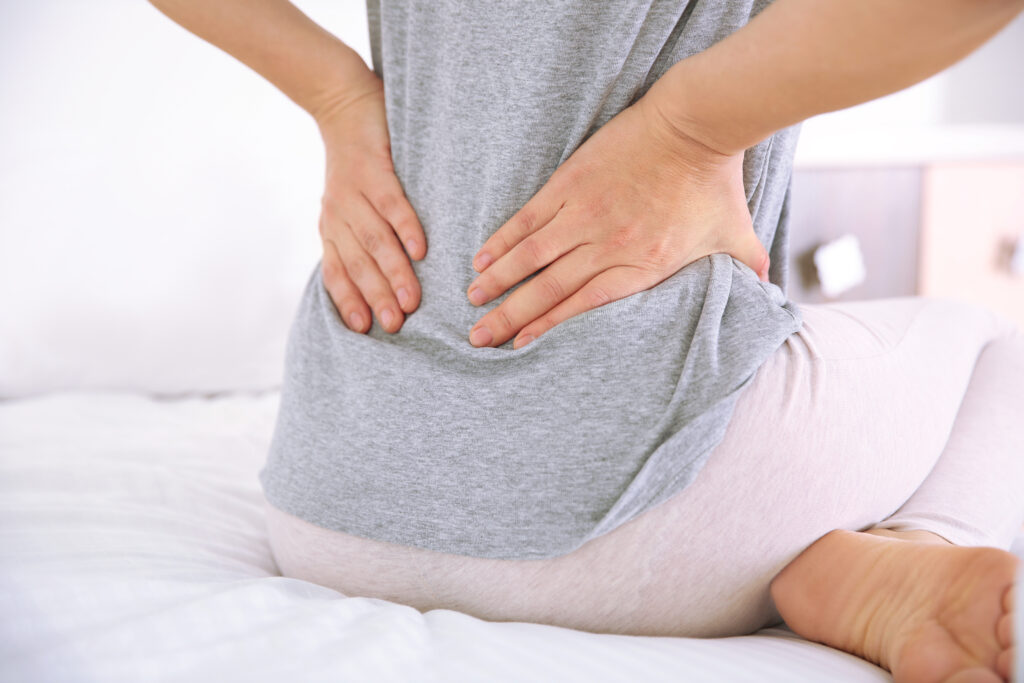
7 Tips For Maintaining Good Posture Bountiful UT

Posture Awareness — Small changes, such as sitting evenly, standing tall, and avoiding crossing your legs often, make a huge difference. 

Don’t Ignore Hip Misalignment 

Hip misalignment can happen quickly or quietly and gradually over time, showing up as back pain, uneven movement, or joint discomfort. Fortunately, with the right care, including chiropractic adjustments and targeted exercises, you can restore proper alignment and move more freely. 

If you’ve been noticing the signs, consider scheduling a professional evaluation. Keeping your hips aligned keeps you moving and feeling your best.

Filed Under: Chiropractor

Whiplash Pain Relief Chiropractor Bountiful UT: Restoring Comfort, Mobility, and Peace of Mind

If you’ve ever been in a car accident, had a sports injury, or experienced a sudden fall, you might know the lingering frustration of whiplash. Sometimes, it’s just a stiff neck. Other times, it can turn into persistent pain, headaches, and limited mobility, affecting the way you live your daily life.

At Elevate Wellness, we see countless patients in Bountiful, UT struggling with whiplash and the secondary injuries it can cause, like herniated discs. Our mission is simple: we want to help you heal naturally, safely, and effectively, so you can get back to life without pain holding you back.

Understanding Whiplash: More Than Just a “Stiff Neck”

Many people underestimate the impact of whiplash because they think it’s just temporary soreness. But in reality, whiplash occurs when your head is jerked backward and forward, straining muscles, ligaments, and tendons in the neck. The result can be more than discomfort; it can create a ripple effect across your spine and nervous system.

Common symptoms include:

  • Persistent neck stiffness and pain
  • Headaches, often starting at the base of the skull
  • Pain or tension between the shoulder blades
  • Tingling or numbness radiating into the arms
  • Dizziness or imbalance
  • Limited range of motion in the neck

Sometimes, symptoms show up immediately after an injury. Other times, they appear days later, leaving you unsure if you even have a serious injury. That uncertainty is stressful, and it’s why professional evaluation is crucial.

Why Bountiful Residents Can’t Ignore Whiplash

At Elevate Wellness, we’ve seen what happens when whiplash is left untreated. What starts as mild discomfort can turn into:

  • Chronic neck pain that lingers for months or years
  • Degenerative changes in the cervical spine
  • Herniated discs, causing nerve pressure and radiating pain
  • Difficulty performing daily activities, from working at a desk to playing with your kids

We want our patients to understand: your body has a remarkable ability to heal itself, but it needs the right support. This is where specialized chiropractic care can make a huge difference.

Real Stories From Patients

Let me share a story of Anna, one of our patients. Anna was in a minor car accident, but she left the scene thinking she was fine. A few days later, she noticed sharp neck pain, headaches, and tingling in her arms. Her regular pain relievers weren’t helping, and she was worried about long-term damage.

After visiting Elevate Wellness, we discovered that Anna not only had whiplash but also a developing herniated disc. Through chiropractic adjustments, gentle spinal decompression, and targeted exercises, Anna started to see improvement in her pain and mobility within just a few weeks. Today, she’s back to her normal routine, pain-free and confident in her spinal health.

Stories like Anna’s aren’t unique—they happen all the time. And the key takeaway? Early intervention matters.

How Our Chiropractic Care Works for Whiplash

At Elevate Wellness, we take a comprehensive approach. Treating whiplash isn’t about masking the pain—it’s about addressing the root cause.

1. Chiropractic Adjustments

We use precise, gentle adjustments to realign the cervical spine, relieve nerve pressure, and restore normal movement. Unlike quick-fix treatments, these adjustments help prevent long-term issues and accelerate natural healing.

2. Gentle Spinal Decompression for Herniated Disc Near Bountiful UT

If whiplash leads to a herniated disc, this non-surgical therapy gently stretches the spine, creating space for the disc to heal. This reduces nerve compression and alleviates symptoms like pain, tingling, and numbness.

3. Soft Tissue Therapy

Muscles, ligaments, and tendons can become inflamed or tight after whiplash. Targeted soft tissue therapy reduces scar tissue formation, improves flexibility, and supports long-term recovery.

4. Rehabilitative Exercises

Our team guides patients through customized exercises that strengthen neck and back muscles, improve posture, and prevent recurring injuries. These exercises are designed to be simple, safe, and effective, even if you’ve never worked out before.

Why Our Approach Stands Out

Many clinics focus on temporary fixes or prescribe medication without addressing the underlying spinal issues. At Elevate Wellness, we focus on:

  • Personalized care: Each patient gets a treatment plan tailored to their unique injury and lifestyle.
  • Natural, drug-free solutions: We use chiropractic techniques and therapies that allow your body to heal naturally.
  • Patient education: We empower you to understand your injury and recovery process.
  • Compassionate support: Recovery can be frustrating, and we’re here to guide you every step of the way.

Tips to Support Your Recovery at Home

In addition to our professional care, there are practical steps you can take at home:

  • Maintain good posture: Avoid slouching or craning your neck while working at a desk or on your phone.
  • Gentle stretching: Slowly stretch your neck and shoulders several times a day.
  • Use supportive pillows: A proper pillow can relieve stress on your cervical spine during sleep.
  • Stay active: Light movement improves circulation and helps your body heal faster.
  • Ice or heat therapy: Ice can reduce swelling, and gentle heat can relax tight muscles.

These steps, combined with professional care, can speed recovery and help prevent chronic pain.

Take the First Step Toward Healing

Whiplash injuries don’t have to control your life. With early intervention and the right treatment plan, you can regain mobility, reduce pain, and enjoy your life again.

At Elevate Wellness, we’re proud to offer Bountiful residents:

  • Whiplash pain relief chiropractic care
  • Gentle spinal decompression for herniated discs
  • A personalized, patient-focused approach to healing

Don’t wait until your pain worsens. Click here to set up a consultation and take the first step toward a healthier, pain-free spine.

Filed Under: Chiropractor

Nutrition and Spine Health: What to Eat for a Stronger Back

Your spine supports your body, and maintaining its health is key to a pain-free, active lifestyle. While you should regularly exercise and maintain good posture, you should also remember one critical aspect: nutrition. The foods you eat play a vital role in keeping your spine strong, flexible, and protected from injury and inflammation. 

In this blog post, we’ll explore the essential nutrients for spinal health and the best foods to include in your diet for a strong back. 

Why Nutrition Matters for Spine Health

Your spine consists of bones (vertebrae), joints, muscles, discs, and ligaments — each of which requires specific nutrients to function properly. Poor nutrition can weaken bone density, leading to back pain and other spinal issues. 

Disc Degeneration — Without adequate hydration and nutrition, the discs between your vertebrae can lose elasticity and break down more quickly. 

Bone Loss — A poor diet can lead to osteoporosis, increasing the risk of fractures in the spine, especially in older adults. 

Muscle Weakness — Inadequate nutrition can weaken the muscles that support the spine, leading to poor posture, strain, and pain. 

Chronic Inflammation — Diets high in sugar, refined carbs, and processed foods can increase inflammation, worsen back pain, compress nerves, and slow injury recovery.

Key Nutrients for a Healthy Spine

Calcium 

Calcium is critical for strong bones, including your vertebrae. A deficiency can make your bones weak and brittle, leading to osteoporosis and increasing the risk of fractures. If you don’t have enough calcium in your diet, your body will pull it from your bones to support other processes in the body. 

Best Sources — Dairy products (milk, yogurt, cheese), leafy greens (kale, spinach), tofu, fish, beans, nuts and seeds, and fortified plant-based milks. 

Vitamin D

Vitamin D supports bone growth and helps your body absorb calcium. Even if you are getting enough calcium in your diet, it won’t help you if it’s not absorbed.

Best Sources — Spending time in sunlight, fatty fish (salmon, mackerel), egg yolks, and fortified foods like orange juice and cereal. 

Magnesium 

Magnesium supports muscle and nerve function and helps regulate calcium levels. It also helps convert Vitamin D into its active form, reduce muscle tension, and support bone density.

Best Sources — Nuts and seeds (pumpkin, sunflower), whole grains, bananas, avocados, and legumes. 

Nutrition and Spine Health: What to Eat for a Stronger Back

Omega-3 Fatty Acids

These healthy fats reduce inflammation, which can help alleviate chronic back pain. Inflammation is commonly involved in many spinal conditions, such as arthritis, disc degeneration, and acute injuries. 

Best Sources — Fatty fish (salmon, sardines), chia seeds, flaxseeds, walnuts, yogurt, and fish oil supplements. 

Protein

Protein plays a vital role in muscle repair and strength, which supports your spine, keeps it flexible, and helps prevent injuries. 

Best Sources — Lean meats, eggs, legumes, nuts, and dairy.

Vitamin C

Vitamin C helps form collagen, which is essential for healthy ligaments, tendons, spinal discs, and connective tissues, and reduces the risk of herniation and degeneration. 

Best Sources — Citrus fruits, strawberries, bell peppers, broccoli, and kiwi. 

Iron

Iron helps deliver oxygen to spinal tissues and muscles for optimal function. It is also involved in the synthesis and metabolism of neurotransmitters, which are crucial for communication between nerve cells in the spinal cord. 

Best Sources — Red meat, spinach, lentils, chickpeas, and fortified cereals. 

Bonus Tips

Stay Hydrated — Discs in your spine need water to stay flexible and cushion your vertebrae. Dehydration can lead to increased friction and pain, reduced shock absorption, and brittle discs. 

Limit Inflammatory Foods — Reduce your intake of processed sugars, trans fats, and excessive alcohol, which can promote inflammation and back pain. 

Healthy Fats — Incorporate healthy fats from sources like avocados, nuts, and olive oil, as they can help reduce inflammation and support overall health. 

Nutrition and Spine Health: What to Eat for a Stronger Back

Consider Supplements — If you’re not getting adequate nutrition, talk to your healthcare provider about taking supplements for calcium, vitamin D, or omega-3s. 

Support Your Body — In addition to having good nutrition, remember to exercise regularly to strengthen back muscles, maintain good posture to reduce pressure on the spine, and sleep regularly to maintain strong bones. 

Eat Well to Support Your Spinal Health

Your spine works hard to support your entire body. Good spine health starts with the food you eat. By fueling your body with good nutrition, you can strengthen your bones, reduce inflammation, and support your muscles and discs for a healthier back. Whether you’re recovering from back pain, managing chronic back issues, or simply want to prevent future problems, ensure your diet is spine-smart to help you excel in your overall wellness journey. 

Filed Under: Chiropractor

  • « Previous Page
  • 1
  • …
  • 4
  • 5
  • 6
  • 7
  • 8
  • …
  • 36
  • Next Page »

ADDRESS & HOURS

Bountiful

190 W 100 S Bountiful, UT 84010

(801) 214-0454
Monday 9 AM – 12 PM, 2 – 5:45 PM
Tuesday 9 AM – 12 PM, 2 – 5:45 PM
Wednesday 9 AM – 12 PM, 2 – 5:45 PM
Thursday 9 AM – 12 PM, 2 – 5:45 PM
Friday 9 AM – 12 PM, 2 – 5:45 PM
Saturday CLOSED
Sunday CLOSED
Mon - Fri 9 AM – 12 PM, 2 – 5:45 PM
Sat - Sun CLOSED

ADDRESS & HOURS

Clinton

1912 W 1800 N, Suite F Clinton, UT 84015

(385) 417-3900
Monday 8:30 AM – 12 PM, 1:30 – 5:45 PM
Tuesday 8:30 AM – 12 PM, 1:30 – 5:45 PM
Wednesday 8:30 AM – 12 PM, 1:30 – 5:45 PM
Thursday 8:30 AM – 12 PM, 1:30 – 5:45 PM
Friday 8:30 AM – 12 PM, 1:30 – 5:45 PM
Saturday CLOSED
Sunday CLOSED
Mon - Fri 8:30 AM – 12 PM, 1:30 – 5:45 PM
Sat - Sun CLOSED

Directions

Bountiful

Clinton

Follow Us

Medical Disclaimer: Information on this site is not medical advice and is for educational purposes only. No doctor-patient relationship is formed. Click here for Full Legal Disclosures


2026 | Elevate Wellness Chiropractic | All Rights Reserved | Privacy Policy | Terms | Accessibility Statement | Anti-Discrimination Disclaimer | Healthcare Disclaimer | HIPAA Notice of Privacy Practices | XML Sitemap | Sitemap | Site by PDM