
Torticollis, also known as wryneck, is a condition characterized by the involuntary contraction or shortening of the neck muscles, resulting in the head tilting to one side or the other. While this condition can occur at any age, it is particularly prevalent in infants, and if left untreated, it can cause discomfort and restrict movement. In this blog post, we’ll explore the causes of torticollis, common symptoms, and the role of chiropractic care in finding relief.

Causes of Torticollis
Torticollis can be classified into two main types, congenital and acquired, based on its underlying cause.
Congenital Torticollis
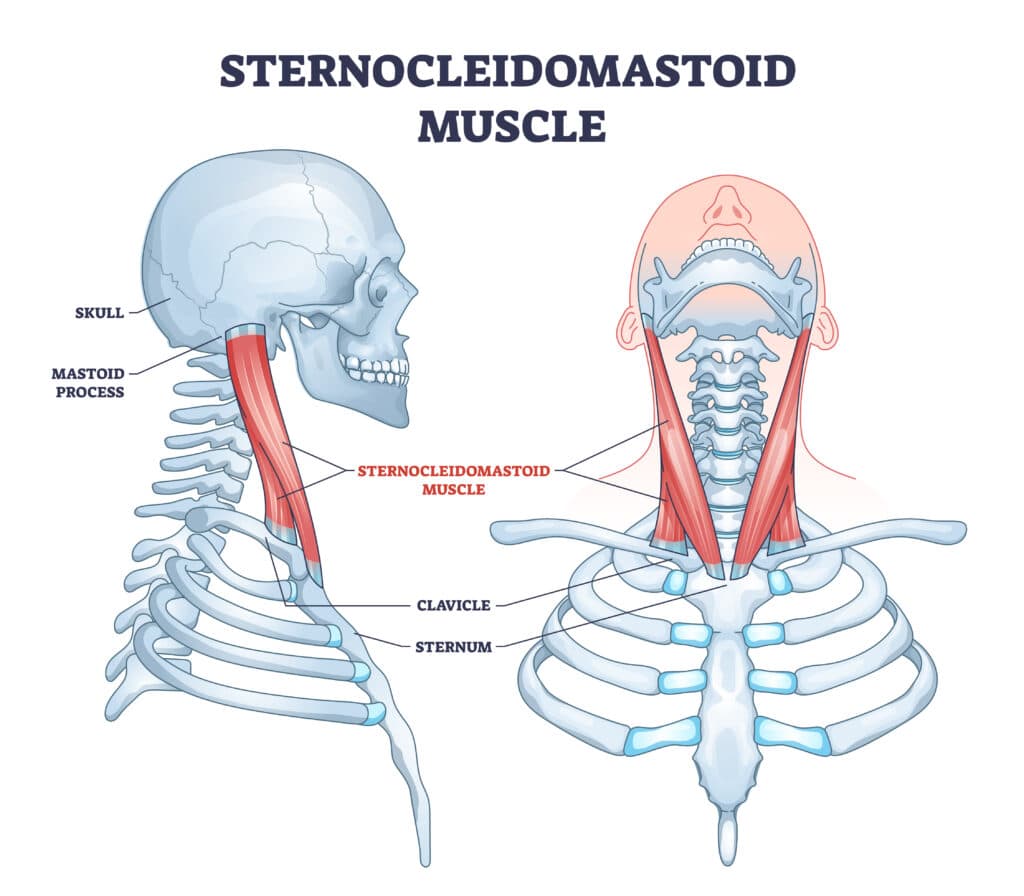
If a baby’s position in the uterus is abnormal, or if they experience trauma during delivery, they may have congenital torticollis. This type typically affects the sternocleidomastoid muscle, which attaches to the back of the ear and the collarbone. When this muscle is tightened or shortened, it can lead to a tilted head. It may not be noticeable until the baby is a few weeks old or begins to gain greater control of their head.
Acquired Torticollis
Acquired torticollis can occur at any point after birth. It can be caused by a variety of factors, including injury, inflammation, muscle spasms, or prolonged poor posture. In certain cases, underlying medical conditions such as tumors or infections may also be contributing factors. This type is the less common of the two and may either be benign or a sign or a more serious issue.
Torticollis Symptoms
While the primary symptom of torticollis is a visibly tilted head, it may be accompanied by:
- Chin tilted to one side
- Limited head and neck movement
- One shoulder is higher than the other
- Neck muscle stiffness or tightness
- Swollen neck muscles
- Asymmetrical facial features
- Small lump in the neck muscle
- Neck pain
- Head tremors
- Headaches
These symptoms can vary in severity, potentially impacting an individual’s quality of life and affecting their ability to participate in activities they enjoy and perform their daily tasks. Fortunately, there is hope in the form of chiropractic care.
Treatment Through Chiropractic Care
Chiropractic care offers a non-invasive, holistic approach to managing both congenital and acquired torticollis. This treatment focuses on addressing underlying causes in order to restore proper alignment and function to the spine and surrounding muscles. Here’s how chiropractors can help individuals of all ages find relief from torticollis:
- Comprehensive Assessment
Before beginning treatment, the chiropractor conducts a thorough evaluation to assess the patient’s posture, range of motion, and muscle strength. They may also utilize orthopedic and neurological tests, along with imaging tools like X-rays, CT scans, and MRIs, to determine the extent of the condition and rule out any underlying medical issues.
Spinal Adjustments
By performing gentle spinal adjustments, chiropractors aim to realign the vertebrae in the cervical spine, relieving pressure on the affected muscles and nerves. This can help alleviate stiffness and pain while improving neck mobility.
Pediatric Care
Chiropractors can treat individuals of all ages, including infants. When it comes to treating their youngest patients, chiropractors take an extraordinarily gentle approach without the cracks and pops associated with standard chiropractic adjustments. To learn more about chiropractic care for infants, check out our previous blog on the topic, Exploring the Surprising Benefits of Chiropractic Care for Infants.
Soft Tissue Therapy
Chiropractic care isn’t just concerned with the skeletal system; chiropractors’ expertise extends to soft tissues, as well. They may incorporate techniques such as massage, stretching, or myofascial release to relax tense muscles and promote healing. Targeted treatment aimed at the sternocleidomastoid muscle can be particularly beneficial for those with congenital torticollis.
Postural Education and Home Care Strategies
To prevent torticollis symptoms from worsening, chiropractors educate patients about proper posture and ergonomics. They may also recommend personalized home care strategies to complement in-office treatment and facilitate long-term recovery. This may involve exercises to strengthen the muscles supporting the neck and spine, stretches, self-care techniques, and ergonomic modifications at work or home.
Comprehensive Chiropractic Care at Elevate Wellness
Torticollis can be difficult to manage, but with proper care and attention, individuals can experience significant symptom improvement and regain neck and spine function.
If you or your child are experiencing the challenges of torticollis, consider chiropractic care from the experts at Elevate Wellness. We can address the underlying causes of this condition with targeted therapies to restore optimal health and improve your quality of life.
Contact Elevate Wellness Chiropractic to schedule an appointment with one of our highly experienced team members. Your journey to a pain-free neck starts today!