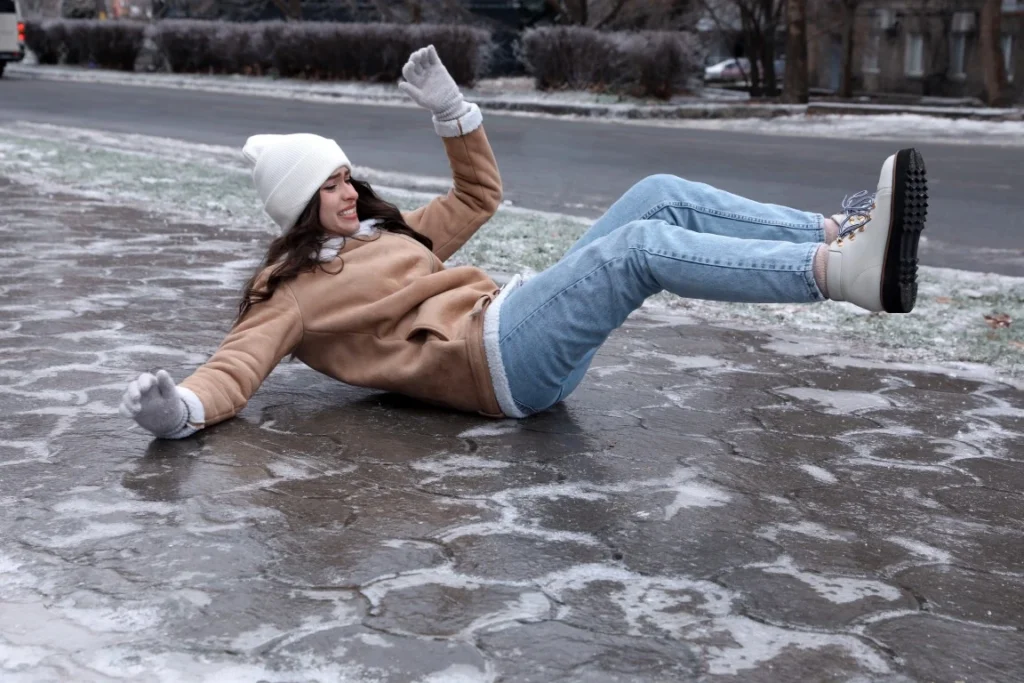
Winter brings cozy moments, holiday gatherings, and beautiful snowy scenery, but it also brings hazardous sidewalks, icy steps, and a higher risk of slips, falls, and cold-weather injuries. According to safety experts, slip-and-fall accidents spike every winter due to freezing temperatures, unpredictable storms, and reduced visibility. Fortunately, with the right precautions, you can prevent most winter injuries.
Whether you’re protecting your family, your employees, or yourself, here’s what you need to know to stay safe this season.
1. Keep Walkways Clear and Treated
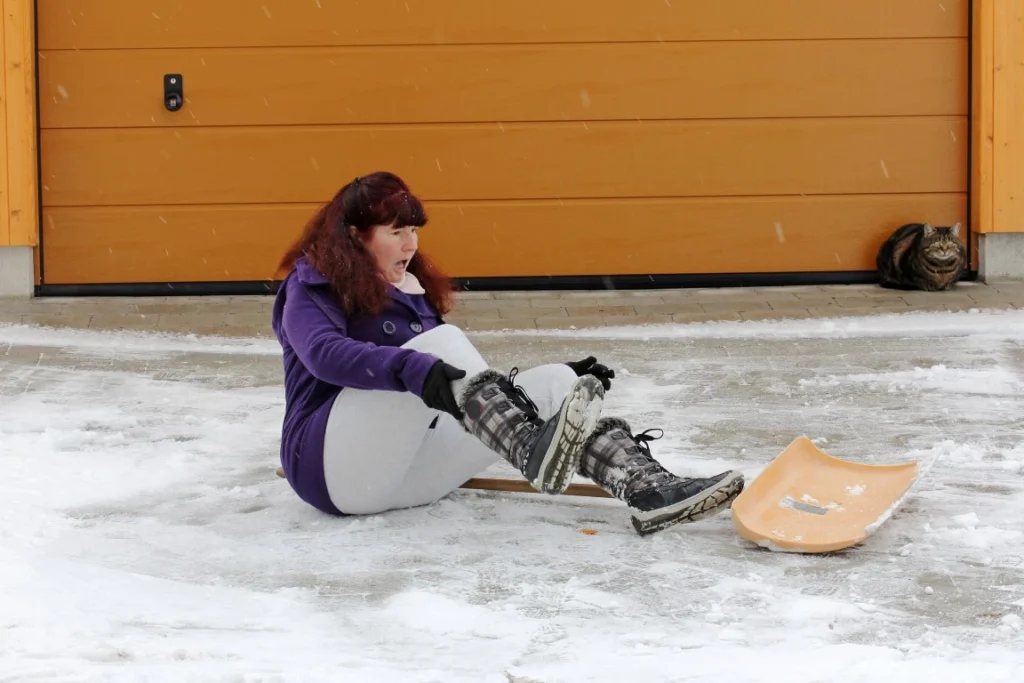
Snow and ice accumulation are the biggest contributors to slip-and-fall accidents. Developing a few simple habits will help you keep your feet firmly on the ground.
Tips:
- Shovel walkways, porches, and driveways promptly after snowfall
- Apply ice melt or sand regularly, especially after thaw-and-refreeze cycles
- Pay special attention to steps, sloped areas, and shaded spots that freeze faster
- Repair uneven surfaces before winter hits, if possible
2. Wear Proper Winter Footwear
Your shoes play a bigger role in preventing falls than you may realize.
Look For:
- Deep, non-slip tread
- Waterproof material
- High-ankle support
- Insulated lining for warmth
Swap dress shoes or sneakers for boots with good traction whenever conditions are slick.
3. Use the “Penguin Walk” on Ice
This type of walk may seem silly, but it works:
How to Walk Like a Penguin:
- Take short, shuffling steps
- Keep your center of gravity over your feet
- Point your toes slightly outward
- Keep your hands out of your pockets for balance
This simple technique helps prevent sudden slips on hidden ice. But, if possible, walk on snow or grass to minimize the chance of encountering slick conditions.
4. Improve Indoor Safety, Too
Winter hazards don’t end at the front door. Melted snow and slush tracked inside can create slippery floors.
Indoors, Make Sure To:
- Use absorbent floor mats at every entrance
- Wipe up wet spots and puddles immediately
- Install non-slip rugs in high-traffic areas
- Keep hallways clear of clutter and poor lighting
- Encourage people to remove their shoes before entering your home
5. Strengthen Your Body for Better Balance
Good balance and strong muscles reduce winter injury risk even if you do slip.
Helpful Exercises:
- Core strengthening (planks, bridges)
- Leg exercises (squats, calf raises)
- Balance work (standing on one leg, heel-to-toe walking)
- Flexibility stretching to maintain mobility
Even 10 minutes a day of dedicated exercise can make a difference.
6. Be Extra Cautious in Parking Lots
Parking lots are some of the most common places for winter falls due to black ice and poor lighting.
Safety Tips:
- Avoid walking between cars where ice hides easily
- Scan the ground for shiny or wet spots
- Use handrails whenever available
- Move slowly when carrying bags or loading vehicles
7. Use Proper Snow-Shoveling Techniques
Winter injuries aren’t limited to slips — shoveling injuries (especially back strains) skyrocket when the snow piles up.
Shovel Safely By:
- Warming up before going outside
- Using an ergonomic shovel
- Lifting with your legs, not your back
- Avoiding twisting when tossing snow
- Taking smaller loads of snow
- Taking breaks to prevent overexertion
If possible, consider using a snowblower or hiring help during heavy storms.
8. Prepare Your Vehicle for Safe Winter Travel
Falls and winter injuries commonly happen around vehicles when people lose their footing getting in or out.
Prevent Winter Injuries By:
- Keeping a small bag of sand or salt in your vehicle
- Wearing gloves so you can keep your hands free for balance
- Stepping down, not out, of your vehicle
- Keeping a sturdy ice scraper and brush handy
Also, remember to give yourself extra time to get to your destination safely. It’s better not to rush when the roads are icy or when the snow is coming down.
9. Stay Aware of Changing Weather Conditions
Conditions can change quickly. A sidewalk that was dry in the morning may be icy again by evening.
Stay Alert To:
- Sudden drops in temperature
- Freezing rain or drizzle
- Melt-and-refreeze cycles
- Snow hiding underlying ice
10. Know When to Seek Medical or Chiropractic Care
After a fall or winter injury, seek care if you experience:
- Persistent back or neck pain
- Limited mobility
- Radiating pain or numbness
- Muscle spasms
- Swelling joints
Early treatment prevents minor winter injuries from turning into chronic issues.
A chiropractor can help:
- Improve mobility
- Relieve back, hip, and neck pain
- Support injury recovery
- Help prevent future strains

Be Careful and Stay Safe This Winter
Winter safety starts with preparation, awareness, and a little extra caution. By taking simple preventive steps, such as clearing walkways, wearing proper footwear, strengthening your body, and staying alert, you can dramatically reduce your risk of slips, falls, and winter injuries.
A safer winter means more time enjoying the season and less time recovering from avoidable accidents.
Follow Us