Nobody likes shoveling snow, but unfortunately, it’s a necessary part of life for those who live in cold climates. Not only is it inconvenient and time-consuming, but it can also be dangerous. In addition to the obvious cold-weather risks of hypothermia and frostbite, shoveling snow can lead to serious musculoskeletal injuries and even fatal heart attacks.
At Elevate Wellness Chiropractic, we understand the importance of educating our patients about how to live healthy, pain-free lives. That’s why we’re presenting this guide to preventing injuries related to shoveling snow, ensuring you have all the knowledge and tools you need to stay safe this winter.
Why Shoveling Snow Can Be Harmful
According to a study that analyzed injury data from a 17-year period, an average of about 11,500 people are treated in U.S. emergency departments each year for incidents related to snow shoveling, with the most common diagnosis being soft tissue injuries. Of these soft tissue injuries, about one-third of them affect the lower back.
Shoveling snow can place quite a bit of strain on muscles and joints, especially in the back and shoulders. This concept is reflected in the data: The most common reason for snow shovel-related injuries is acute musculoskeletal exertion, which accounted for more than half of the incidents included in the study.
In addition to straining the musculoskeletal system, shoveling snow can put stress on the cardiovascular system. In fact, all 1,647 snow shoveling-related deaths analyzed in this study were caused by a cardiac event such as a heart attack.
Certain individuals are more vulnerable to these risks. Those with pre-existing back pain, injuries, or heart conditions are more likely to harm themselves while shoveling snow.
How to Safely Shovel Snow
Now that you know the risks of shoveling snow, let’s explore how to take care of this winter chore without putting yourself in danger.
Preparation is Key
Like with any physical activity, preparation is key to preventing injuries. Before you head outside, stretch your muscles to increase blood flow.
Once you’re all warmed up, it’s time to put on the appropriate gear. Wear sturdy, non-slip boots, and use gloves to improve your grip on the shovel and avoid blisters. Layer up to stay warm, but make sure you can still move around.
It’s also a good idea to take a water bottle outside with you and sip from it often, staying hydrated will help your muscles perform optimally.
Equipment and Ergonomics
One of the most important things you can do to prevent injuries is choose the right equipment. Invest in an ergonomic shovel with a curved handle. Additionally, lightweight models can reduce strain and make it easier to shovel.
Use Proper Snow Shoveling Technique
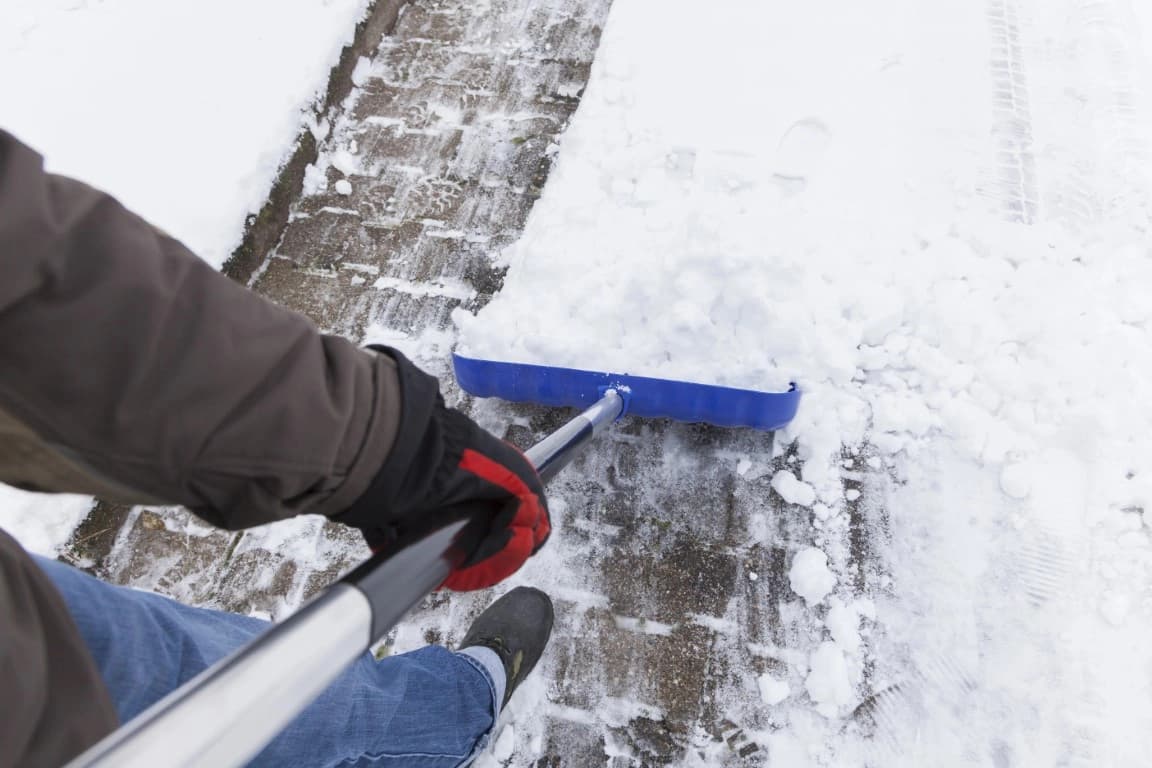
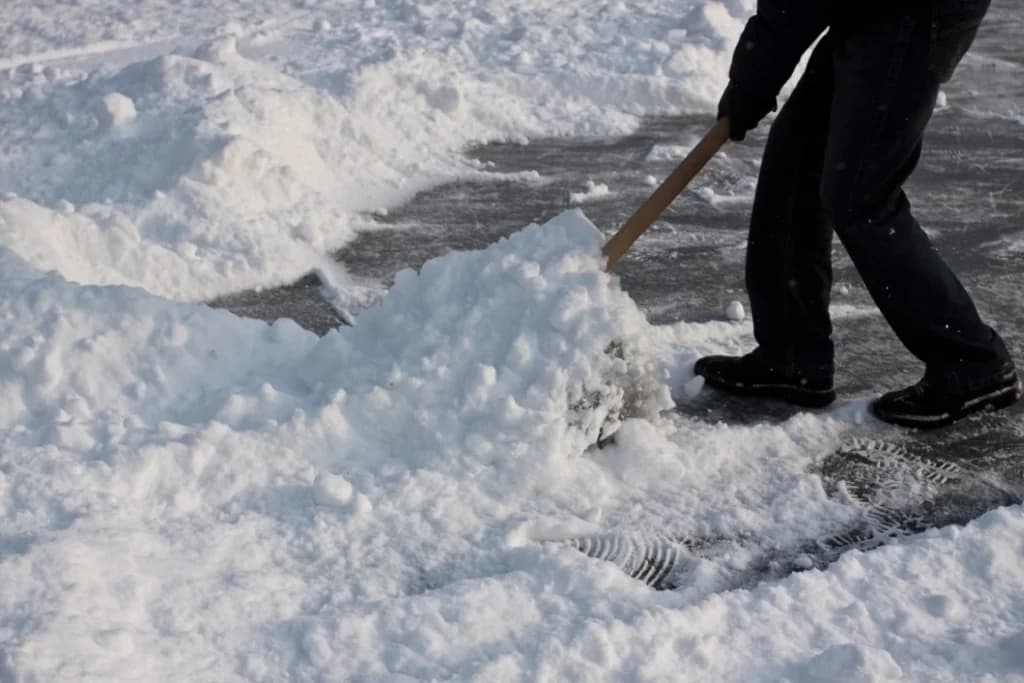
Whenever possible, push snow into piles rather than lifting it. This technique will help to prevent overexertion and boost your endurance.
If you must lift a shovelful of snow, lift with your legs, not your back, and take small scoops rather than overloading the shovel. Avoid twisting your torso, keep your back straight, and bend at the knees instead of the waist.
Instead of tackling the entire area at once, shovel smaller sections and take breaks in between to avoid overdoing it.
Prevent Slips and Falls
Icy driveways are known for causing slips and falls. To maintain your balance and avoid bumps and bruises, take short, careful steps. Clear pathways first to give yourself a safe place to stand as you shovel. If you encounter any stubborn patches of ice, spread salt or sand on them to improve traction.
What to Do If You Feel Pain
If you feel strain or discomfort while shoveling, stop immediately and rest. If you feel better after a few minutes, it’s probably okay to resume, but be extra careful. Apply ice to sore areas to reduce swelling and inflammation.
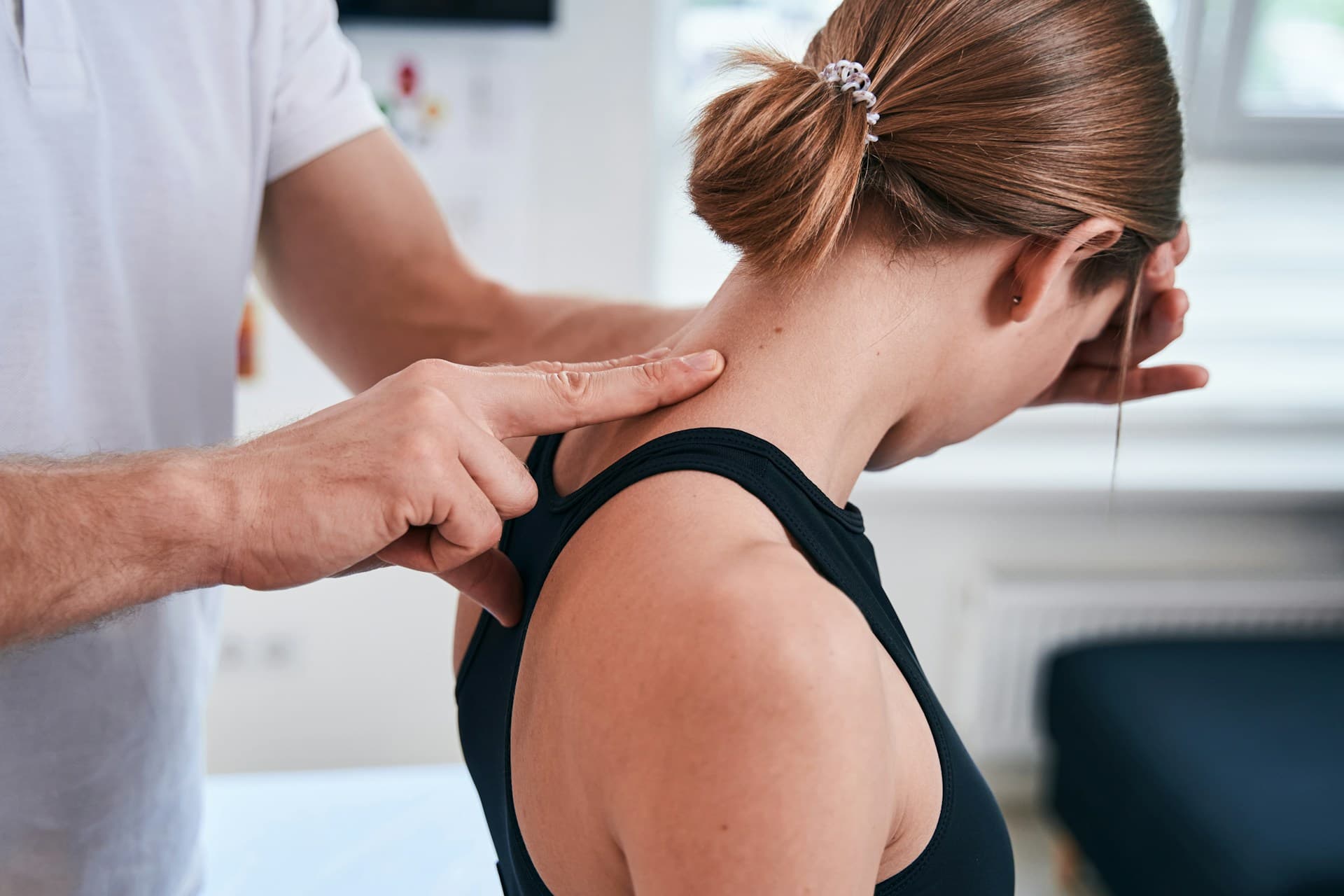
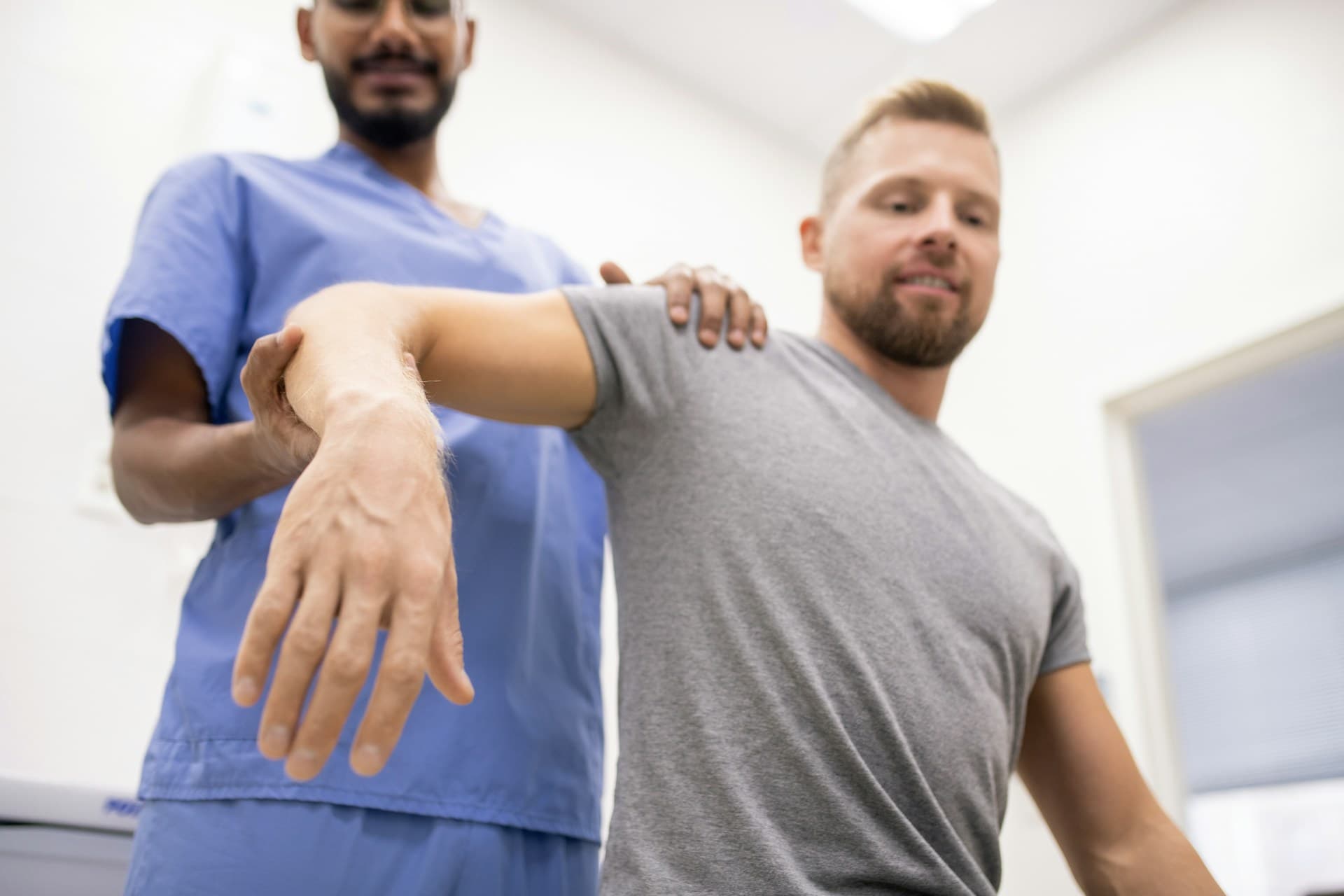
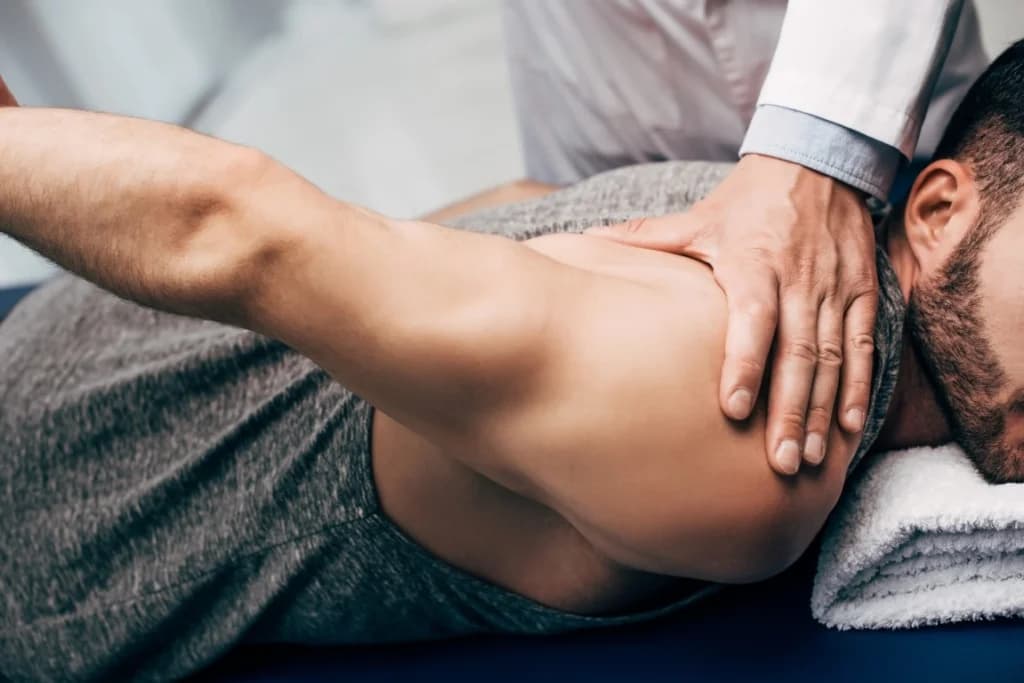
It’s normal to feel some muscle soreness after exerting yourself, but if you experience persistent pain, numbness, or weakness, it’s time to seek professional help. Chiropractic care can be an effective way to alleviate musculoskeletal discomfort and help heal injuries like back pain or joint issues.
Stay Healthy This Winter with Elevate Wellness Chiropractic
We invite you to prioritize safety and wellness this winter. If your body could use a tune-up, whether it’s after a grueling snow-shoveling session or not, contact Elevate Wellness Chiropractic today to schedule an appointment with one of our expert team members. We’ll get you back on track in no time, allowing you to enjoy the season to the fullest.