
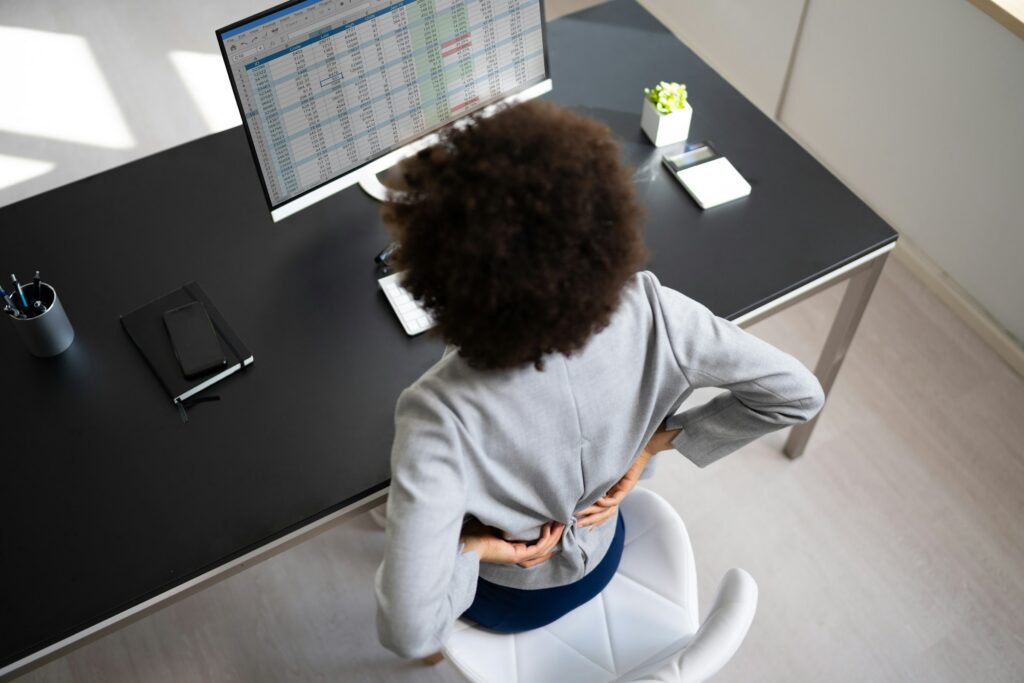
In today’s technology-driven world, many people struggle with poor posture. Whether you work at a desk, enjoy scrolling on your phone, or spend hours behind the wheel, the way you hold your body throughout the day can have a significant impact on your spinal health. While occasional slouching may not affect you too much, chronic poor posture can lead to discomfort, pain, and long-term spinal problems.
Understanding Proper Posture
Good posture means maintaining the natural curves of your spine while standing, sitting, and moving. When your body is properly aligned, muscles, joints, and ligaments work efficiently, reducing unnecessary strain and helping prevent injury.
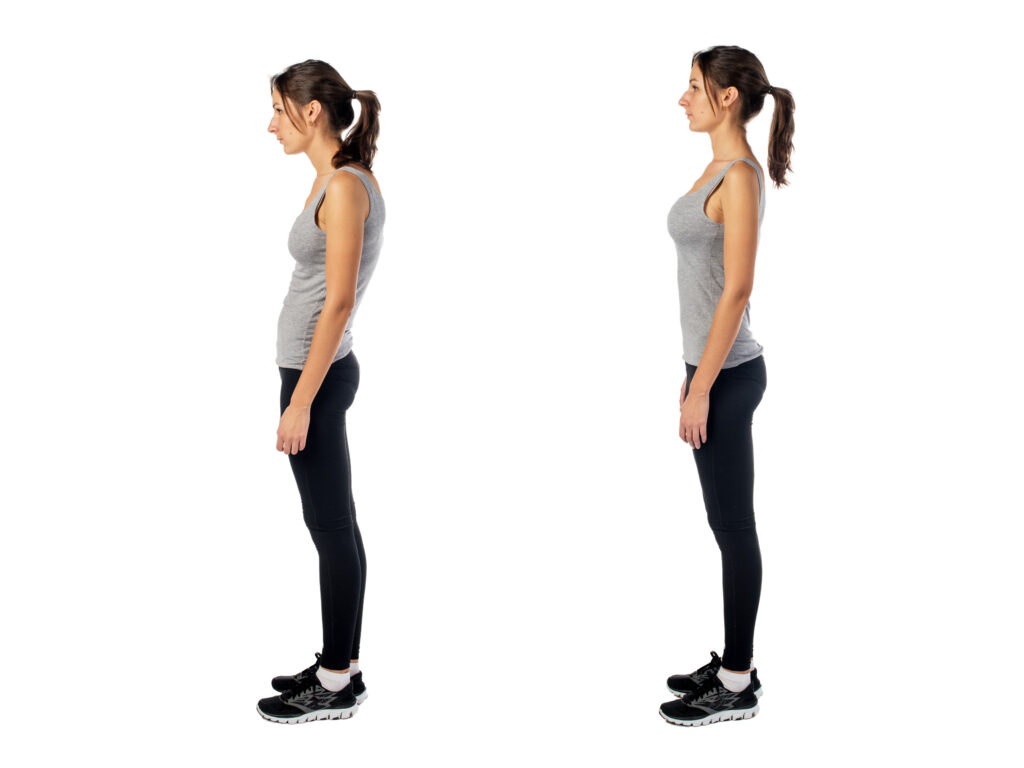
Your spine naturally has three gentle curves: a slight inward curve in the neck, a light outward curve in the upper back, and a light inward curve in the lower back. Proper posture supports these natural curves and distributes your body weight evenly.
Common Causes of Poor Posture
Many daily habits contribute to poor posture, including prolonged sitting, looking down at smartphones and tablets, working at improperly adjusted desks, lack of physical activity, weak core muscles, carrying heavy bags on one shoulder, repetitive movements, or poor lifting techniques.
Over time, these habits can cause the body to stay in unhealthy positions.
How Poor Posture Affects the Spine
Increased Stress on Spinal Structures
When your posture is compromised, your spine is forced to bear weight unevenly. This places excessive stress on spinal discs, facet joints, ligaments, muscles, and tendons.
The longer these structures endure abnormal pressure, the more likely you are to experience discomfort and injury.
Neck Pain and “Tech Neck”
One of the most common posture-related conditions is “tech neck.” When you constantly tilt your head forward to look at a screen, you increase the weight on your neck dramatically.
For every inch your head moves forward, your neck muscles have to work harder to support it. This can lead to neck pain, muscle tension, headaches, stiffness, reduced range of motion, or tingling, numbness, or weakness in the arms or hands.
Mid-Back and Shoulder Tension
Rounded shoulders and a forward head position often cause tightness in the upper back and shoulder muscles. This imbalance can cause muscle fatigue, shoulder discomfort, and stiffness between the shoulder blades, as well as make it difficult to maintain proper posture.
Lower Back Pain
Slouching while sitting often puts additional pressure on the lumbar spine. Over time, poor sitting posture can contribute to chronic lower back pain, muscle strain, disc irritation, and reduced mobility.
Unfortunately, many people don’t realize their daily sitting habits may be contributing to ongoing discomfort.
Accelerated Wear and Tear
Poor posture can put extra stress on spinal joints and discs, potentially accelerating degeneration over time. While aging naturally affects the spine, improper alignment may contribute to disc wear, joint dysfunction, reduced flexibility, and increased risk of injury.
Signs Your Posture May Be Affecting Your Spine
You may be dealing with posture-related issues if you experience:
- Frequent neck or back pain
- Tension Headaches
- Muscle tightness
- Rounded shoulders
- Difficulty standing up straight
- Fatigue after sitting or standing
- Numbness or tingling in the arms or legs
Addressing these symptoms early can help prevent more serious complications.
Tips for Improving Posture
Fortunately, small changes can make a big difference in improving poor posture.
Set Up an Ergonomic Workspace — Your workstation should properly support your spine: set up your monitor at eye level, sit with your feet flat on the ground, position your keyboard and mouse within comfortable reach, and ensure your chair supports your lower back.
Take Frequent Movement Breaks — Avoid sitting in one position for extended periods. Stand up, stretch, and walk around every 30 to 60 minutes.
Strengthen Core Muscles — Strong abdominal and back muscles help support proper spinal alignment. Adding walking, yoga, stretching, and strength training into your daily routine can improve your posture over time.
Be Mindful of Device Use — When scrolling on your phone or tablet, keep it closer to eye level whenever possible to reduce strain on your neck.

Practice Proper Standing Posture — When standing, keep your shoulders relaxed, engage your core muscles, distribute your weight evenly on both feet, and keep your ears aligned over your shoulders.
Protect Your Spine with Better Posture
Your posture has a huge impact on your spine. While poor posture may develop gradually, its effects can become increasingly noticeable over time. Fortunately, by becoming more aware of your posture, practicing healthy habits, and investing in professional support when needed, you can improve your posture and reduce strain on your spine.
If you’re experiencing neck pain, back pain, headaches, or other posture-related concerns, Elevate Wellness Chiropractic can help identify the cause and provide solutions to keep your spine functioning at its best.
Follow Us