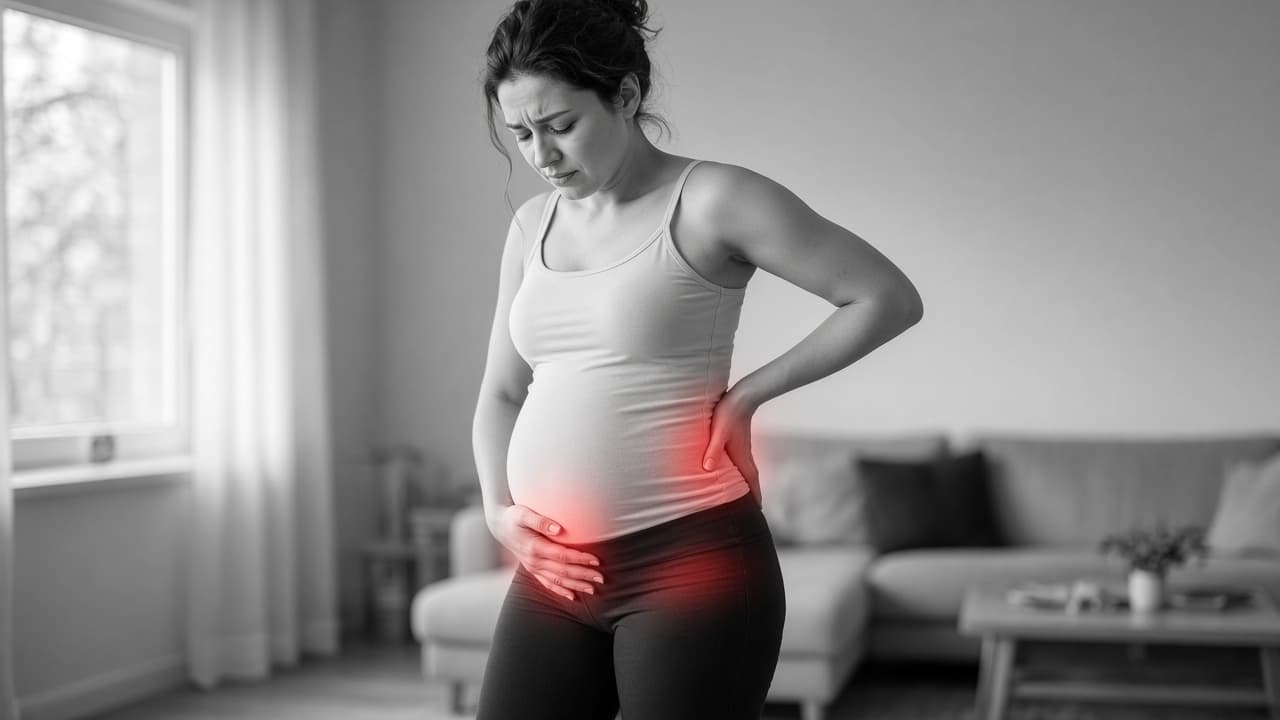
When temperatures rise during the summer months, your body has to work harder to regulate its internal temperature. While many people know to stay cool and avoid sunburn, fewer realize how important proper hydration and heat management are for maintaining healthy joints and muscles. Dehydration and excessive heat can contribute to muscle cramps, joint discomfort, and fatigue, as well as increase the risk of injury.
Below, we’ll discuss the connection between heat, hydration, and musculoskeletal health, so you can stay active and protect your body.
The Importance of Hydration for Muscle Health
Your muscles are made up of approximately 75% water. Water plays a vital role in many aspects of muscle function. It helps deliver oxygen and nutrients to muscle tissue, remove waste produced during activity, support muscle contractions, regulate body temperature, repair microscopic tears in muscle tissue, and prevent muscle cramps and fatigue.
Even mild dehydration can affect muscle performance. When your body loses fluids through sweating, and those fluids aren’t replaced, your muscles can become more susceptible to tightness, strains, and painful cramping.
If you’re dehydrated, you may experience increased muscle cramps and spasms, fatigue during exercise, weakness, reduced strength and endurance, and slower recovery after exercise.
How Hydration Supports Healthy Joints
Water is not only important for muscles but also for your joints.
Cartilage, the smooth tissue that cushions your joints, is made up of 60 to 85% water. Adequate hydration helps cartilage maintain its flexibility and shock-absorbing ability, minimizing the impact from daily movement and high-intensity activities. When you’re dehydrated, your joints may not move as smoothly, potentially contributing to stiffness and discomfort.
Proper hydration also supports the production of synovial fluid, the natural lubricant that allows joints to move with less friction. If you don’t have enough of this fluid, you may have stiffer and more achy joints.
While drinking water won’t cure arthritis or chronic joint conditions, staying hydrated can promote healthy joint function.
How Summer Heat Affects Your Body
When temperatures increase, your body produces more sweat to keep itself cool. Along with water, sweating causes you to lose important electrolytes such as sodium, potassium, magnesium, and calcium.
These minerals help regulate muscle contractions and facilitate nerve signals. When electrolyte levels become unbalanced, muscle cramps and weakness become more likely.
Hot weather can also lead to faster fatigue, reduced coordination, increased injury risk, and slower reaction times. This combination can make physical activities feel more difficult, even if your fitness level hasn’t changed.
Common Summer Activities That Increase Risk
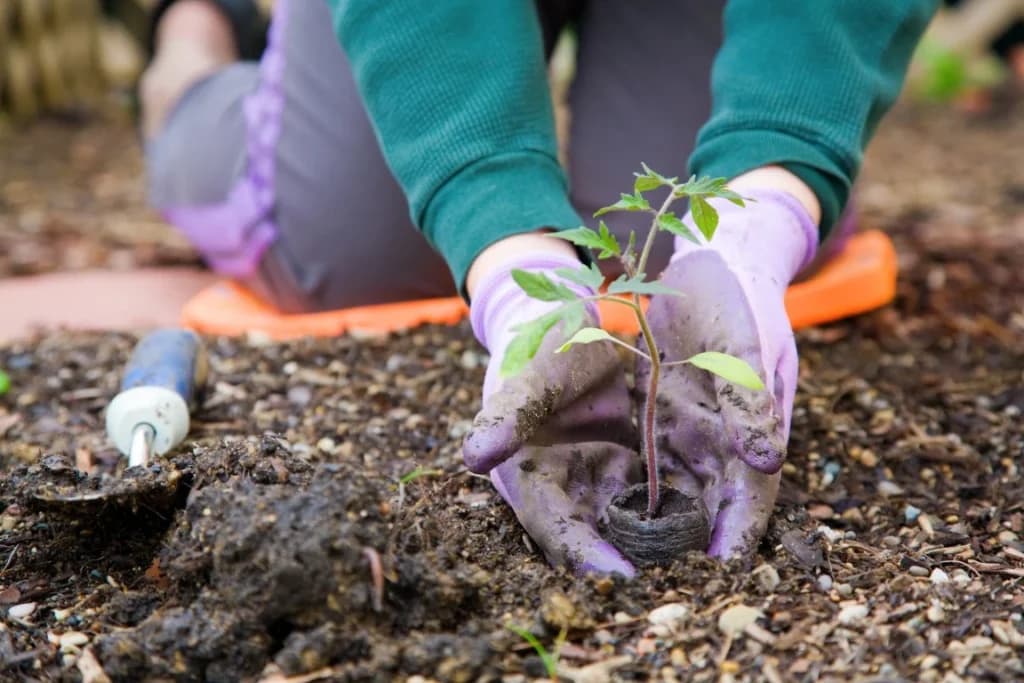
Many popular summer activities place extra stress on muscles and joints, especially when combined with dehydration. This includes running, cycling, golfing, doing yard work, gardening, playing recreational sports, and completing home improvement projects.
These activities often involve doing repetitive movements, bending, lifting, and navigating uneven terrain, increasing the likelihood of strains or overuse injuries if your body isn’t properly hydrated.
Tips for Staying Hydrated
Proper hydration starts before you feel thirsty.
To help protect your muscles and joints:
- Drink water consistently throughout the day
Increase fluid intake before outdoor activities.
Remember to drink water during exercise or physical work
Replace fluids after sweating
Eat water-rich foods like watermelon, cucumbers, oranges, berries, and lettuce
Limit consumption of alcohol and caffeinated beverages, as they could increase dehydration
If you’re participating in prolonged exercise lasting more than an hour or activities involving heavy sweating, you may want to drink a beverage with electrolytes.
Don’t Forget to Listen to Your Body
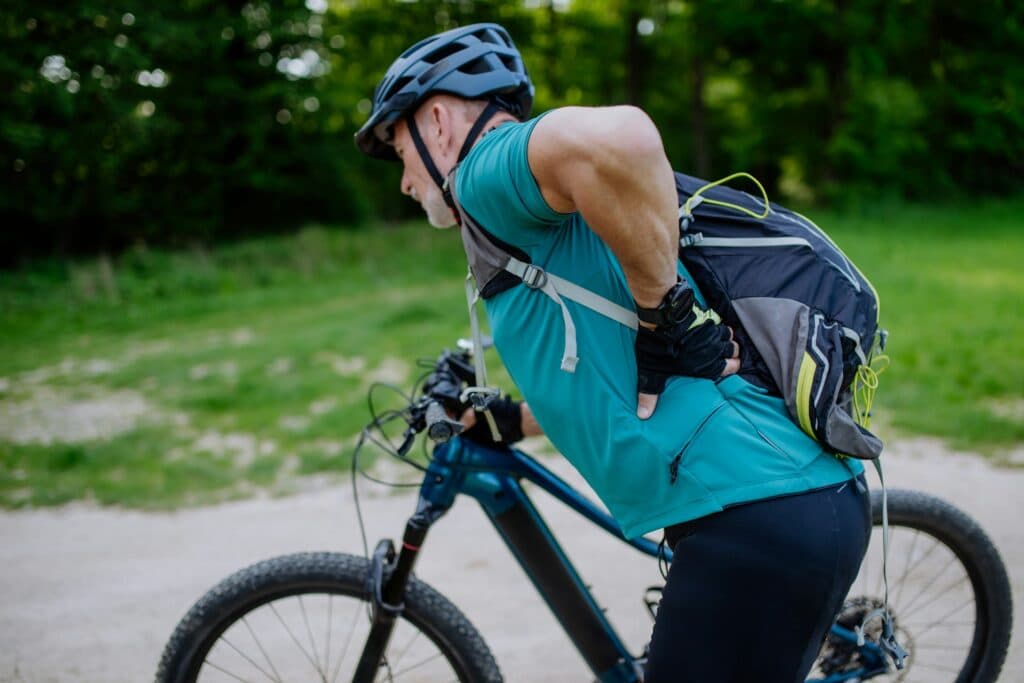
Heat-related stress can develop gradually. Stop and rest if you feel dizzy, overly tired, nauseous, or confused, or if your muscles start cramping or a headache forms. Moving to a cooler location and rehydrating promptly can help prevent more serious heat-related illnesses, such as heat stroke.
Remember to Warm Up and Cool Down
Warm temperatures may make your muscles feel looser, but this doesn’t mean you don’t need to warm up.
A proper warm-up increases blood flow, improves flexibility, and prepares muscles for movement. Spend five to 10 minutes performing light activity and dynamic stretches before exercising or working outdoors.
Additionally, take time to cool down after an activity to reduce stiffness and support recovery. This can include light movements, static stretching, or going on an easy walk.
Stay Active All Summer Long
If you’re not prepared, summer heat and dehydration can take a toll on your muscles and joints. Drinking enough water, replacing lost fluids, warming up properly, and listening to your body’s signals can go a long way toward preventing injuries and keeping you moving comfortably all summer long.