Why Understanding Your Muscles Changes Your Health
Many people in Bountiful and Clinton come in telling us they have a “bad back.” They point right to the painful spot and assume that is the whole problem. But very often, the deeper issue is how their skeletal muscles are working around that area, from the way they hold their shoulders to how their hips move when they walk.
Skeletal muscle is the type of muscle that attaches to your bones and moves your body. It is different from cardiac muscle in your heart and smooth muscle in your organs, which work on their own. Skeletal muscle is the one you control, the one that lets you hike, lift kids, pull weeds, or swing a pickleball paddle.
When we look at you as chiropractors, we are not just chasing pain. We are studying how your skeletal muscle functions, posture, and movement patterns all fit together. That is how we look for the root cause of stiffness and soreness. In this article, we will break down how your muscles move your joints, protect your spine, and affect everyday life, and how chiropractic care can support healthier movement for the long run.
How Skeletal Muscles Really Move You
Think of your skeletal muscles as little motion engines. They pull on your bones to create every move you make, from turning your head to stepping off a curb. When a muscle shortens, it pulls on a tendon, which then pulls on a bone so the joint can bend, twist, or straighten.
Most muscles work in pairs to control a joint. One side contracts while the other side relaxes. For example:
- When you bend your elbow, one muscle group pulls and the opposite group lets go
- When you straighten up from bending forward, your back muscles work while your front muscles ease off
- When you turn your head, muscles on one side of your neck tighten as the others lengthen
This balance helps guide the spine, hips, shoulders, and knees. Over time, daily habits can upset this balance. Long hours at a desk, driving, or looking down at a phone can leave some muscles short and tight and others long and weak. That mix often leads to:
- Stiff neck or upper back
- Tension headaches
- Achy low back or hips
- Tired, heavy shoulders
Your nervous system ties it all together. Your brain sends signals through your nerves to tell muscles when to fire and how much. If joints in your spine are not moving well or nerves are irritated, the messaging can get fuzzy. Certain muscles may overwork to “protect” an area, while others shut down. This is one reason spinal alignment and good joint motion matter so much for muscle control.
What Your Chiropractor Sees Beneath the Surface
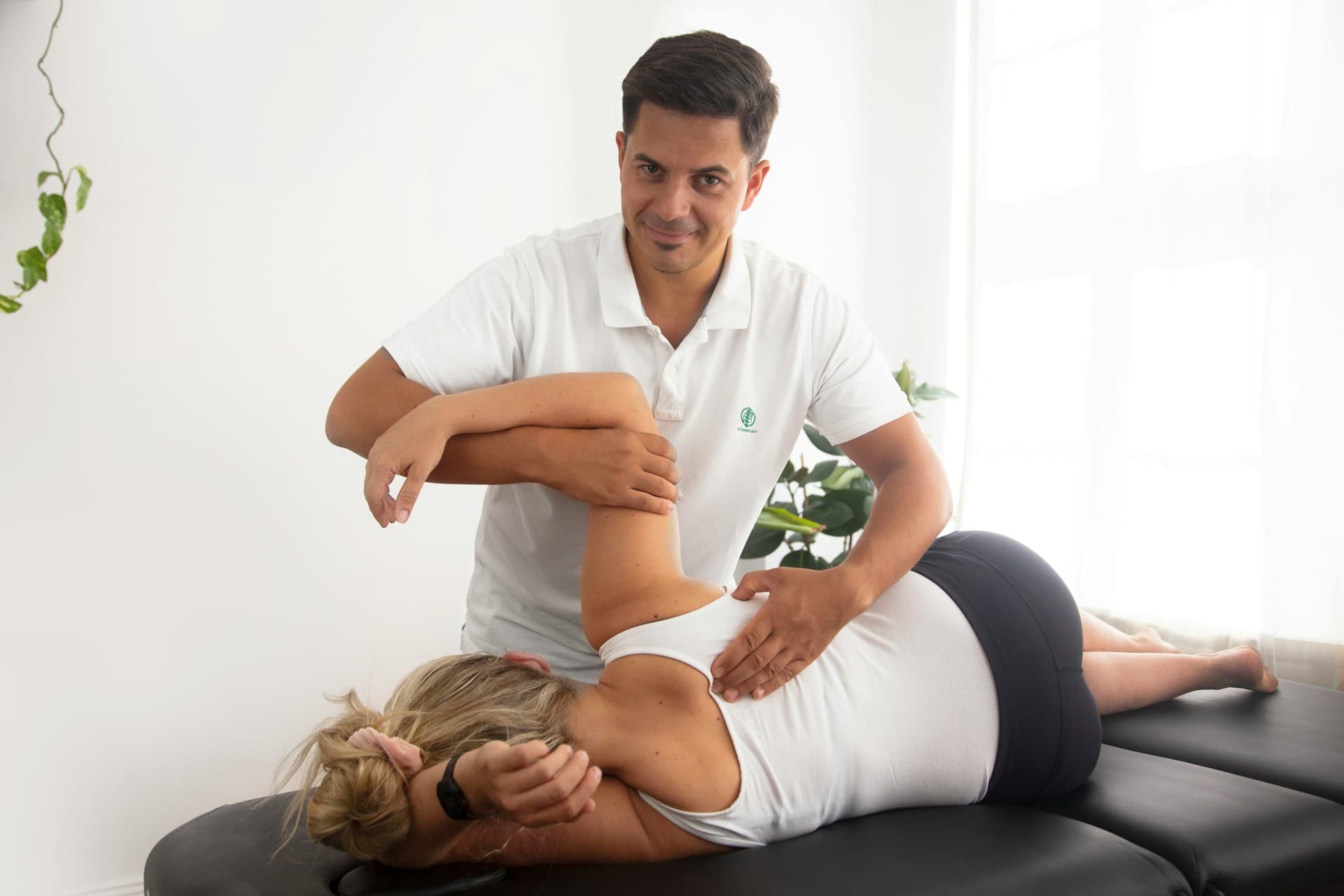
When you walk into our office, we start studying how your body moves right away. Before we even touch your spine, we watch how you stand, walk, sit, and get on and off the table. These small details say a lot about your skeletal muscle function.
Here are some of the things we look for during an exam:
- Posture: head forward, rounded shoulders, tilted pelvis
- Gait: how your feet strike, hip sway, arm swing
- Range of motion: how far joints move and where they feel “stuck”
- Muscle symmetry: one side working harder or looking more built
We also feel for changes in muscle tone. Tight, ropey bands can signal chronic tension. Tender trigger points, which are small knots in the muscle, can send pain to other areas. Protective guarding, where muscles clamp down and brace, can point to irritated joints or nerves nearby.
At Elevate Wellness Chiro, we combine hands-on palpation with simple orthopedic and movement tests. This helps us map out:
- Which muscles are overworking and tight
- Which muscles are underactive or “asleep”
- Which joints may be stiff, irritated, or misaligned
Our aim is not only to calm pain, but to restore healthy muscle patterns so you can move with less effort and lower your risk of future flare-ups.
From Pain to Performance at Every Life Stage
Skeletal muscle function shapes how we grow, move, and age. It matters from the first crawl to the last hike of the weekend.
For kids, muscles guide early milestones like rolling, crawling, and walking. As they grow, heavy backpacks, sports practices, and extra screen time can put new stress on their muscles and spines. We pay close attention to:
- Head and shoulder posture
- How they squat, run, and jump
- Whether one side seems much stronger or tighter
During pregnancy, muscle demands change quickly. The low back, hips, and pelvic muscles work harder to support a growing belly. This can lead to:
- Swayed lower back and tight hip flexors
- Achy mid back and shoulders
- Tension in the pelvic area
Gentle chiropractic care can help improve alignment and joint motion, which often lets overworked muscles relax and underused muscles fire more normally. Many expectant parents notice it feels easier to walk, sleep, and stay active.
Active adults and weekend athletes in Utah often stress certain muscles over and over. Hiking, biking, running, pickleball, and yard work all ask a lot from the legs, core, and shoulders. When there are hidden imbalances, you may see:
- One knee or hip that always flares up
- Shoulder or elbow soreness after sports
- Low back tightness after yard projects
With the right mix of chiropractic adjustments, muscle work, and specific exercises, we can help each age group move more freely and enjoy favorite activities with more comfort and confidence.
How Chiropractic Care Resets Muscle and Joint Balance
A chiropractic adjustment is a focused, gentle input to a joint that is not moving well. By improving motion in that joint and calming local nerve irritation, we often see a quick change in how nearby muscles behave. Tight muscles may finally let go, and weak muscles may start to activate more evenly.
To support better skeletal muscle function, we may also use:
- Spinal decompression to help with disc related nerve irritation
- Soft tissue techniques to address tight or knotty areas
- Guided stretching to restore normal length to shortened muscles
- Simple, targeted home exercises to retrain patterns
Muscle habits build up over months or years, so it usually takes more than one visit to reset them. A consistent care plan gives your nervous system time to “learn” new, healthier ways to hold and move your body.
As muscle and joint balance improve, people often notice:
- Easier posture without forcing it
- Fewer flare-ups of old problem spots
- More power for sports or yard projects
- Less fatigue during normal daily tasks
Over time, this can add up to better comfort, stronger performance, and more trust in your body.
Turn Muscle Insight Into a Health Win
A simple self-check can give you clues about your skeletal muscle function. Look at side and front photos of your posture. Notice if one shoulder sits higher, or if your head drifts forward. Pay attention to areas that are always tight or moves that always feel weak or awkward. These are not just signs of “getting older.” They are messages from your muscles.
If you live in or near Bountiful or Clinton and want to understand how your muscles and joints are really working, a detailed chiropractic evaluation can be a smart next step. Set a clear goal in your mind: maybe you want pain free yard work, stronger hikes, a more comfortable pregnancy, or a safer sports season for your child. With expert guidance, chiropractic care, and focused muscle work, small changes in how your muscles function today can have a big payoff in how you move and feel for many years to come.
Support Stronger Movement And Recovery Today
If you are ready to move with less stiffness and more confidence, we are here to help. At Elevate Wellness Chiro, we focus on how your spine, joints, and skeletal muscle function work together so your body can perform at its best. Schedule a visit so we can assess what your body needs and create a care plan tailored to your goals. Let us partner with you to restore balance, improve mobility, and support long-term wellness.