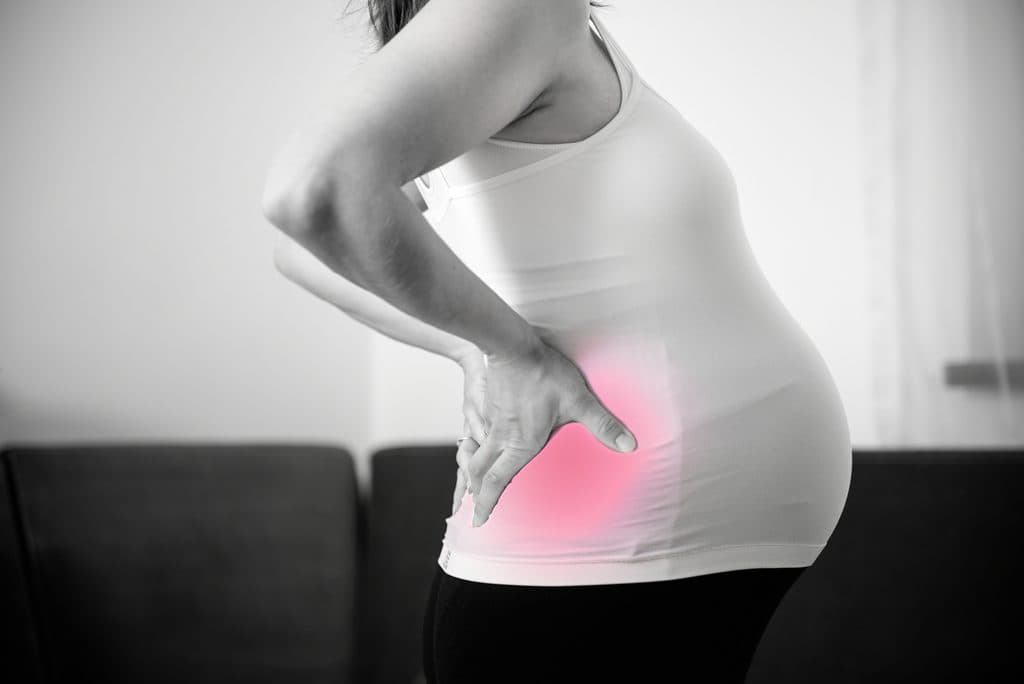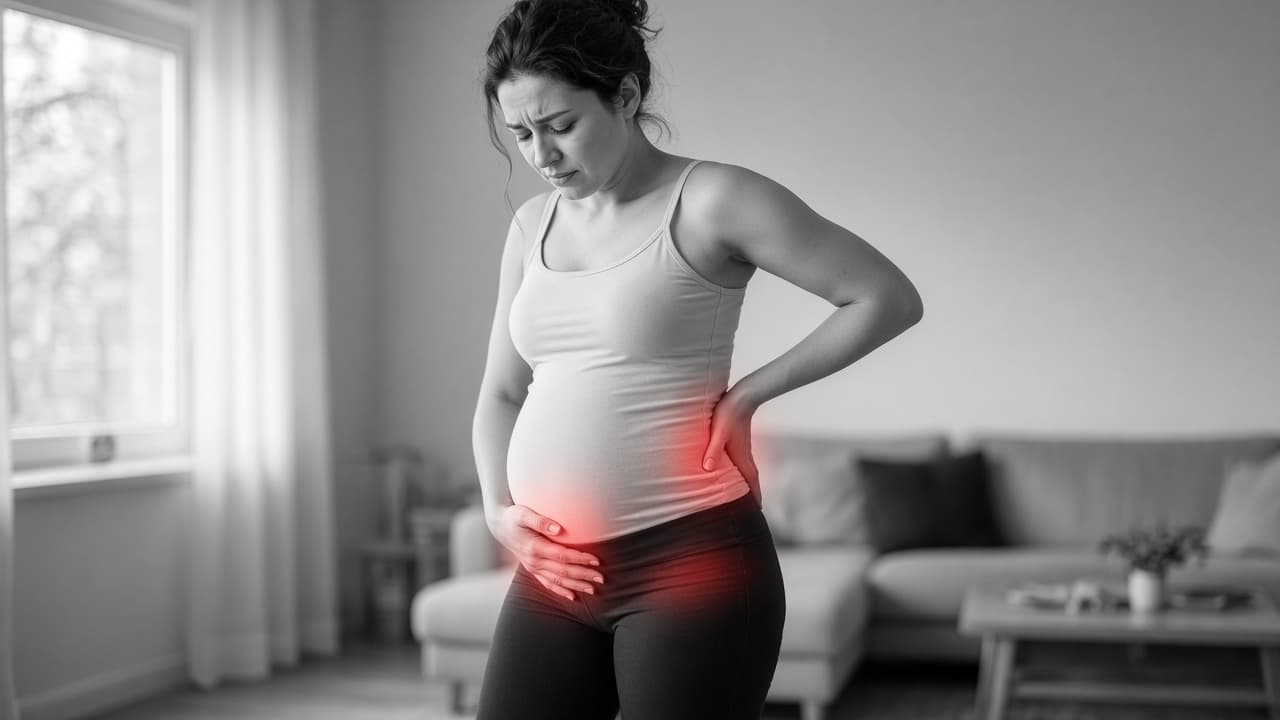
Regain Comfort and Confidence in Pregnancy Movement
Pregnancy pelvic girdle pain can make simple daily movement feel stressful. This pain often shows up in the second and third trimesters when your body is changing fast, your baby is getting heavier, and your joints are working harder to keep you balanced.
Pelvic girdle pain can affect how you walk, sleep, and care for your family. Around Bountiful and Clinton, that might mean feeling sharp twinges when you walk across a sloped parking lot, climb stairs at home, stand at work, or keep up with older kids. The good news is that this kind of pain is usually manageable with smart changes, gentle movement, and the right support. Working with a pregnancy chiropractor in Bountiful, Utah can be one helpful part of staying as active, safe, and comfortable as possible across all three trimesters.
What Pregnancy Pelvic Girdle Pain Really Is
Pregnancy pelvic girdle pain, or PGP, is discomfort that comes from the joints and soft tissues around your pelvis. You might feel it in the front right over the pubic bone, deep in the hips or groin, or in the low back or tailbone area.
The pain often feels worse with movement or weight bearing. It may be sharp, burning, or aching. It is different from the more general soreness many people feel during pregnancy. Regular pregnancy aches often feel like a tired or heavy feeling that eases with rest, while PGP tends to be more focused and shows up with certain movements.
Several changes in pregnancy can stress the pelvis. Hormones like relaxin can make ligaments feel looser, your growing belly can pull your posture forward, and your center of gravity shifts, which can strain joints.
Typical PGP patterns include:
- Pain when rolling over in bed
- Pain when standing on one leg, for example putting on pants
- Pain with walking, especially longer distances
- Pain getting in and out of the car or stepping into a bathtub
Many people find it is worst in the evenings, after a busy day, or after standing at work or being on their feet around the house.
Daily Activities That Commonly Trigger Pelvic Girdle Pain
Certain everyday movements load one side of your pelvis more than the other. When your joints are already a bit irritated, that uneven pressure can set off pain. Common triggers include standing on one leg (like when you pull on pants or socks), wide stances (like deep squats or lunges), fast twisting (like turning quickly to grab something behind you), and shifting your weight onto one hip, especially while holding a toddler.
Around Bountiful and Clinton, you might notice PGP flare up with:
- Longer walks at parks or local events
- Walking on hills, sloped driveways, or uneven sidewalks
- Yard work, light lifting, or cleaning projects
- Repeated trips carrying groceries or kids in and out of the car
Small changes can make a big difference. Try:
- Sitting to get dressed instead of standing on one leg
- Taking shorter, more relaxed steps, especially on hills
- Avoiding deep lunges, wide squats, or big side steps
- Keeping your feet hip width apart instead of very wide when you stand
- Lifting with both hands and both legs, holding items close to your body
If a certain movement always sparks pain, that is your sign to change how you do it or ask for help when you can.
Safe Home Relief Strategies to Ease PGP Discomfort
Gentle movement can help calm pelvic girdle pain, as long as it does not spike your symptoms. Think smooth, controlled motions rather than big or bouncy moves. Some ideas to discuss with your prenatal provider include:
- Pelvic tilts while standing against a wall or on all fours
- Side-lying stretches for the hips and glutes
- Short walks on flat, even surfaces
- Light core and glute activation, such as gentle squeezes and small bridges, if cleared by your provider
Support tools at home can also help reduce strain:
- A pelvic or SI support belt to give gentle compression around your hips
- A pillow between your knees and ankles while side-lying, so your top leg does not roll forward
- A small step stool to make it easier to get into a taller vehicle
- Warm (not hot) packs across sore muscles of the low back or hips
Pacing is just as important as exercises and supports. Try to:
- Break up long errands into shorter trips
- Alternate sitting and standing through the day
- Avoid standing still in one position for long periods
- Stop or change tasks if pain starts to build, instead of pushing through
Listening to your pain early in the day can help keep it from turning into a big flare by evening.
When Chiropractic Care Can Help During Pregnancy
Gentle, pregnancy-focused chiropractic care aims to improve how your pelvic joints move and how your muscles support them. When the joints are moving more freely and the soft tissues feel less tight, there is often less strain on the areas that hurt. Better pelvic motion can also support space for baby to find a more comfortable position.
A visit with a pregnancy chiropractor in Bountiful, Utah usually includes:
- A detailed history about your pregnancy, pain, and daily activities
- A movement assessment to see what brings on your symptoms
- Special pregnancy pillows or tables to keep you comfortable while lying down
- Gentle adjustments and soft tissue work designed for pregnancy
- Simple home exercises and tips that match your trimester and comfort level
Many people have questions about safety. Chiropractors who focus on prenatal care adapt their techniques across the trimesters and avoid positions that put pressure on the belly or strain the low back. For anyone with higher risk pregnancies or a history of C-section, care is adjusted and coordination with OBs or midwives is very important. A thoughtful provider will always put your and your baby's safety first.
Red Flags That Need Immediate OB or Medical Evaluation
While most pelvic pain in pregnancy is mechanical and manageable, some signs need fast medical attention. Contact your OB or seek urgent help right away if you notice:
- Sharp or sudden pelvic or abdominal pain that does not ease with rest
- Any vaginal bleeding
- Leaking fluid from the vagina
- Rhythmic cramping or tightening that could be contractions, especially if early
- Fever with pelvic or abdominal pain
Also watch for any changes with your nerves or ability to move, such as:
- Numbness, tingling, or weakness in one or both legs
- Trouble controlling your bladder or bowels
- Not being able to put weight on one or both legs
In general, call your OB or midwife office for guidance if something feels off but you are not sure it is an emergency. Go straight to urgent care or the ER, or follow your provider's instructions, if your pain is severe, sudden, or paired with bleeding, leaking fluid, or signs of infection. A responsible pregnancy chiropractor in Bountiful, Utah will always refer you to medical care right away if any of these red flags show up.
Take the Next Step Toward a More Comfortable Pregnancy
You do not have to choose between pushing through pelvic pain or stopping all movement out of fear. With the right support, many pregnant people can keep enjoying gentle walks, time with family, and preparing their homes for the months ahead, while keeping pain at a more manageable level.
At Elevate Wellness Chiro, we care about helping moms-to-be in Bountiful and Clinton feel more supported in how they move. Paying attention to your top pain triggers, noticing when discomfort is worst during the day, and sharing that information with your providers can be a strong starting point. With a thoughtful plan that includes movement changes, home strategies, and coordinated care, pelvic girdle pain does not have to control your pregnancy experience.
Support Your Pregnancy With Gentle, Targeted Chiropractic Care
At Elevate Wellness Chiro, we focus on helping you move comfortably, sleep better, and stay active throughout every stage of pregnancy. If you are looking for a trusted pregnancy chiropractor in Bountiful, Utah, we are here to provide individualized care tailored to your changing body. Schedule an appointment today so we can answer your questions, evaluate your needs, and create a plan that supports both you and your baby.