How Bountiful Runners Get Back to Pain-Free Miles
Running in Bountiful feels special. Cooler air comes off the mountains, leaves change along the bench, and training plans fill up with long runs, tempo days, and weekend races. Then a sharp, burning pain shoots from your low back or hip down your leg, and suddenly even walking to the car hurts. Sciatica can shut down a training cycle fast.
Sciatica is an irritation of the sciatic nerve, which runs from your low back through your hips and down each leg. When it gets irritated, you might feel sharp, burning, or electric pain, tightness in your glute, or tingling down your leg. For runners, this can show up during hills, longer miles, or even while sitting at work between workouts.
Many runners around Bountiful are realizing that chiropractic care can target the root causes of sciatic pain instead of just covering up the symptoms. With the right approach, it is often possible to calm the nerve, improve movement, and help you return to training with more confidence. In this article, we will look at why runners are prone to sciatica, how chiropractic sciatica treatment in Bountiful, Utah supports recovery, and how our team personalizes care for both recreational and competitive runners.
Why Runners Are Prone to Sciatica Flare-Ups
Running is repetitive, and small issues in form or strength can add up. Runners in Bountiful often train on hills, uneven sidewalks, and local trails, which is great for fitness but tough on the spine and hips if the body is not ready.
Common running-related triggers for sciatica include:
- Overstriding, landing with your foot too far in front of your body
- Tight hip flexors from sitting a lot between runs
- Tight piriformis and hip rotators that squeeze the sciatic nerve
- Weak glutes and core, which shift extra work to the low back
- Sudden mileage or hill increases leading into race season
It helps to know the difference between general low back pain and true sciatica. With sciatica, pain usually:
- Radiates from the low back or glute down the leg
- May come with tingling or numbness
- Often feels worse when sitting, coughing, or sneezing
- Can flare with certain strides or when running downhill
Fall and early winter can make things worse. Slick leaves, early snow, and icy patches can change the way you land. More treadmill miles can also alter your stride. These small shifts can increase pressure on the lumbar spine and surrounding joints, which can irritate the sciatic nerve.
If sciatica is ignored, the body often creates compensation patterns. You might shorten your stride, lean to one side, or change your foot strike without realizing it. Over time, that can lead to knee pain, hip pain, or ankle issues. What started as nerve irritation in the low back can grow into a chain of problems that slow your pace and shorten your running seasons.
How Chiropractic Care Relieves Sciatica for Runners
When the joints of the low back, pelvis, or sacroiliac area do not move well, they can put extra stress on the tissues around the sciatic nerve. For runners, every step repeats that stress. Over thousands of strides, this can turn into sharp nerve pain instead of a mild ache.
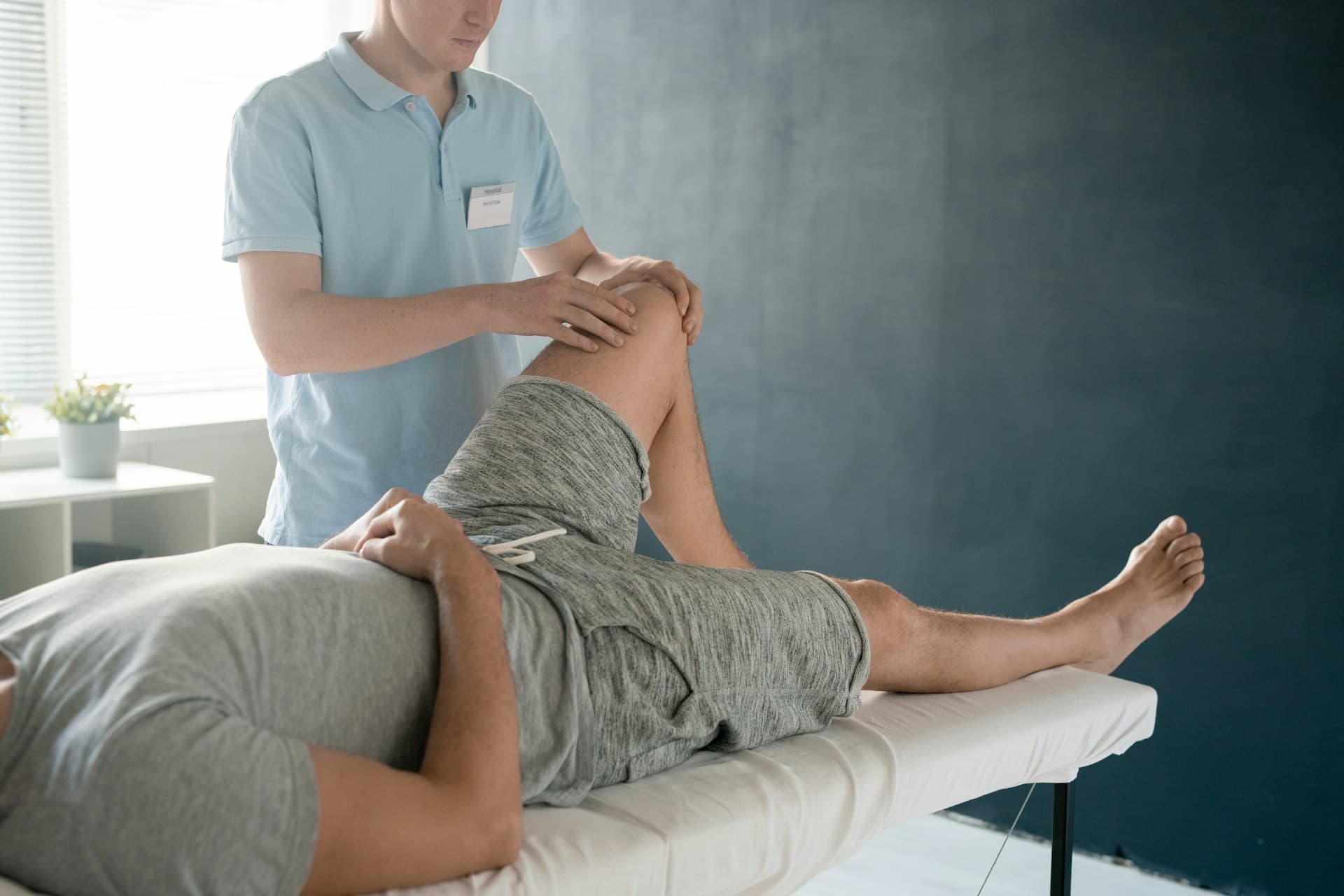
Chiropractic care focuses on improving joint motion so the body can move more freely and evenly. Gentle chiropractic adjustments can help:
- Improve how the lumbar spine, pelvis, and sacroiliac joints move
- Reduce pressure and irritation around the sciatic nerve
- Allow muscles like the glutes and hip rotators to fire more effectively
- Support a smoother, more efficient stride
We often pair adjustments with soft tissue work for the tight muscles that bother runners most, such as the piriformis, hip rotators, and hamstrings. For disc-related issues, traction or decompression-style methods may help create a bit more space and reduce nerve irritation. Specific stretches and mobility drills are usually added to keep tension from building back up between visits.
Runners tend to care about performance, not just pain levels. With better joint motion and less nerve irritation, many people notice:
- A lighter, smoother stride
- Less stiffness after runs
- Easier recovery between workouts
- Fewer flare-ups during heavy training blocks
The goal is not only to calm the current pain, but to help make your running pattern safer and more efficient for the long term.
Personalized Sciatica Treatment in Bountiful, Utah
No two runners are the same, and neither are two cases of sciatica. At Elevate Wellness Chiropractic, we start with a detailed history to understand your situation. That often includes:
- Current and past training volumes
- Usual running surfaces and routes
- Recent races or big workouts
- Previous injuries and medical history
From there, we use movement screening, along with orthopedic and neurologic tests, to find out where the sciatic irritation is coming from. We look at how your spine, hips, knees, and ankles move as a unit, not just one painful spot.
A typical care plan for a runner with sciatica may include:
- More frequent visits at the start to settle the flare-up
- Gradual spacing of visits as symptoms calm down
- At-home exercises to strengthen glutes and core
- Foam rolling and gentle mobility drills tailored to running
- Warm-up ideas to prepare the hips and back before you run
We often use specific lumbar or pelvic adjustments, disc-focused care when needed, and sports-injury style rehab to support your return to training. With locations in both Bountiful and Clinton, it can be easier to fit care around work, family time, and training, especially during busy race seasons or when you are shifting from outdoor runs to winter workouts.
Run Farther with Smart Prevention Strategies
Once the pain starts to ease, prevention becomes the focus. Small habits go a long way for runners who want to keep sciatica from flaring up again.
Helpful daily and pre-run tips include:
- Doing a dynamic warm-up before cold-weather runs
- Adding glute and core strength work a few times a week
- Including hip mobility drills for rotation and flexion
- Increasing mileage and hills gradually instead of in big jumps
You can also protect the sciatic nerve with a few training and form tweaks:
- Aim for shorter, quicker strides instead of long, pounding steps
- Mix trail and road routes to spread out the stress on your body
- Check your shoes regularly and replace them before they are worn out
- Use cross-training, like cycling or strength work, to reduce repetitive stress
Periodic maintenance chiropractic checkups can help spot small movement issues early. A little stiffness in your low back, a nagging ache deep in the glute, or new tingling in your leg are signs to get evaluated. Catching these changes early can help you stay ahead of bigger problems so you are ready when your next training block starts.
With thoughtful care, smart training choices, and a plan that fits your goals, sciatica does not have to end your running. Many runners return to steady, confident miles and feel more in tune with their bodies than before the flare-up began.
Relieve Sciatica Pain And Get Back To What You Love
If sciatica is making daily activities difficult, we are here to help you find real, lasting relief. At Elevate Wellness Chiro, our personalized care plans focus on addressing the root cause of your pain, not just masking symptoms. Learn how our approach to sciatica treatment in Bountiful, Utah can help you move more comfortably and confidently again. Schedule your visit today so we can start supporting your recovery and long-term wellness.